

Best Trolling Rods for Steelhead: Great Lakes Tested Picks and Setup Tips
Best Trolling Rods for Steelhead: Great Lakes Tested Picks and Setup Tips
Steelhead demand smooth power and clean pressure during a wide, fast run. This guide covers action, power, length, and blank material — then reviews five proven rods with clear Best For callouts and setup specs for boards, downriggers, divers, and lead core.
Published: October 2025 · By: FishUSA Staff
Steelhead demand smooth power and clean pressure during a wide, fast run. Your trolling rod must load deep, protect light hooks, and keep pressure steady through surges at the surface. This guide lists the best steelhead trolling rods for Lake Erie and the Great Lakes — covering summer steelhead, fall steelhead, and spring cohos — with in-depth reviews and clear callouts. It also explains how to match power, action, and length to boards, downriggers, divers, and lead core.
Related: Best Lures for Steelhead
What Makes a Great Steelhead Trolling Rod?
- Action: Moderate to moderate-slow loads into the midsection and cushions small trebles and single hooks.
- Power: Medium-light to medium covers spoons, small plugs, and stickbaits at 1.8–3.0 mph.
- Length: 8′6″–10′6″ spreads lines, clears boards, and helps during net work.
- Blank material: E-glass or composite blanks add forgiveness and durability at the rod holder.
- Guides and seat: Stainless frames with smooth inserts and a strong reel seat for levelwinds.
- Handle: Long foregrips and durable EVA or shrink tube for wet hands and net work.
| Feature | Why It Matters | What to Look For |
|---|---|---|
| Action | Fast action pops hooks; moderate loads deep and keeps fish pinned | Moderate to moderate-slow for boards and riggers; moderate for divers |
| Blank material | Glass forgives surges; graphite can be brittle in rod holders | E-glass or composite for everyday trolling; composite for divers |
| Length | Longer rods spread lines and help at the net | 8′6″–9′ for riggers and divers; 9′–10′6″ for outside boards |
| Guides | Abrasion from lead core and copper wears cheap inserts fast | Stainless or titanium frames; smooth ceramic or aluminum oxide inserts |
| Reel seat and handle | Wet-hand grip and solid lockdown prevent reel slop in holders | Trigger grip or long EVA foregrip; positive reel lockdown |
Best Steelhead Trolling Rods
1. FishUSA Flagship Trolling Rod
Best Overall • Best for Planer Boards and Flatlines
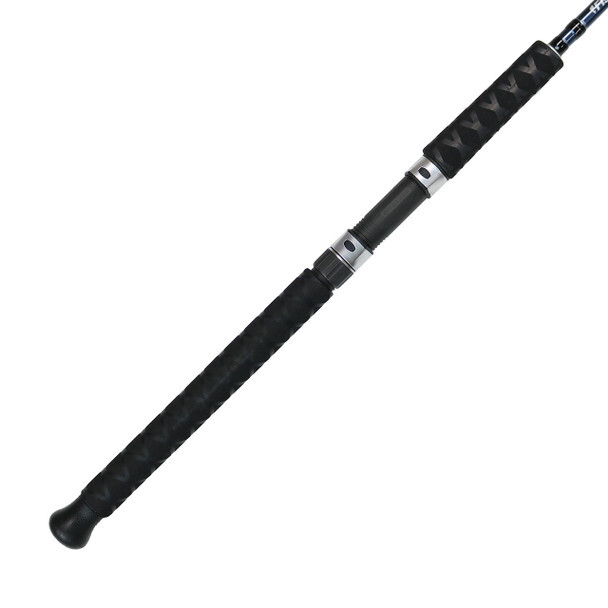
Best Overall
FishUSA Flagship Trolling Rod
Planer boards • Flatlines • Light divers • Spring cohos through summer steelhead
The blank has a true moderate action that loads clean with spoons and small stickbaits. It pulls inline planer boards without tip chatter and keeps light hooks pinned during a surface run. The handle length is right for rod trees and track systems. The guides handle mono, braid, and lead core leaders without hang-ups. If you want a simple choice that covers spring cohos through summer steelhead, start here.
- Best for: Planer boards, flatlines, light divers
- Why it works: Forgiving glass action protects small trebles at 2.2–2.8 mph
- Use with: 10–15 lb mono or 20–30 lb braid; 12–15 lb fluoro leaders
2. Lamiglas Classic Glass Salmon/Steelhead Trolling Rod
Best Classic E-Glass Feel • Best for Downriggers and Plugs
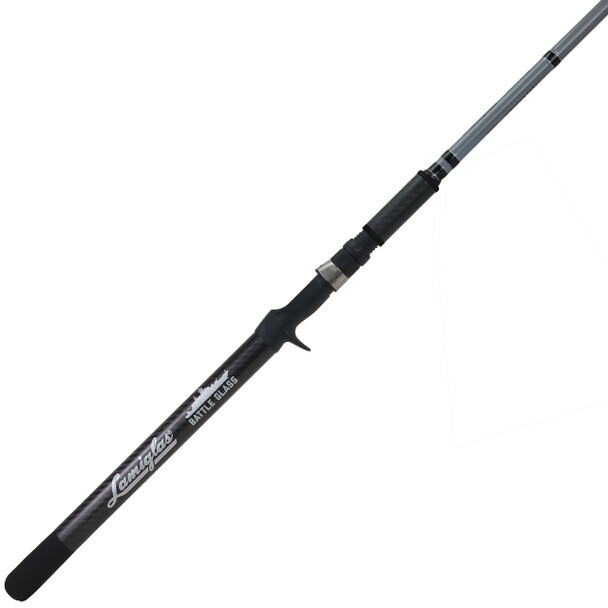
Best for Downriggers and Plugs
Lamiglas Classic Glass Salmon/Steelhead Trolling Rods
Downriggers • Short-set plugs • Prop-wash spoons
Lamiglas glass blanks are smooth and predictable under load. The parabolic bend pins fish on downriggers and plug rods, and the soft tip telegraphs lure pulse without dropping fish when a steelhead cartwheels. The mid and butt sections still move fish from the prop wash fast. If you troll Mag Lips, Hot Shots, or jointed sticks off riggers, this is a proven choice.
- Best for: Downriggers, short-set plugs, prop-wash spoons
- Why it works: Full glass blank absorbs shock at the release and during headshakes
- Use with: 12–17 lb mono; 15–20 lb fluoro leaders for plugs
3. St. Croix Onchor Salmon/Steelhead Trolling Rod
Best Premium Control • Best for Divers and High-Speed Spoons
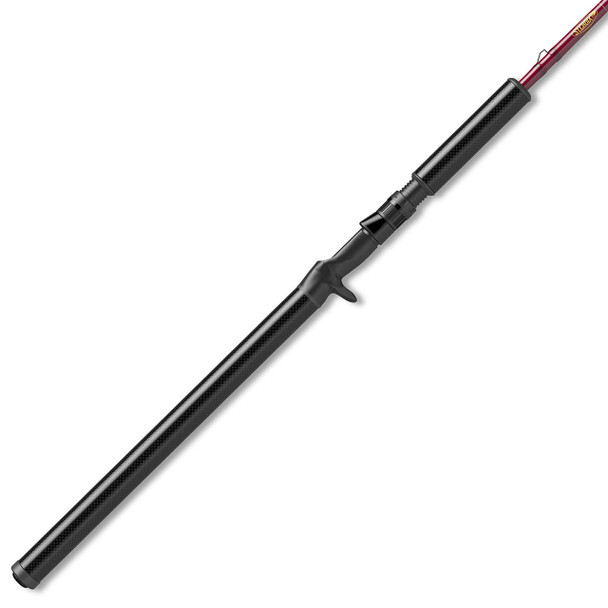
Best Premium Control
St. Croix Onchor Salmon/Steelhead Trolling Rod
Dipsy/Lite Bite divers • Suspended steelhead 35–65 ft • High-speed spoons
Onchor brings St. Croix fit and finish to salmon and steelhead trolling. The blank blends forgiveness with crisp recovery, so it handles Lite Bite divers and standard Dipsies without folding. The tip shows diver trips and resets cleanly, and the moderate action protects hooks when a fish surges near the board. Hardware and wraps are built for charter-level use. If you pull divers for suspended summer steelhead, this rod excels.
- Best for: Dipsy/Lite Bite divers, suspended steelhead at 35–65 ft
- Why it works: Strong mid-section maintains diver depth yet keeps hooks pinned on a surge
- Use with: 30 lb braid mainline to diver; 12–15 lb fluoro leader to spoon
4. Shimano Technium Salmon Trolling Rod
Best for Lead Core and Copper • Big Water Spreads
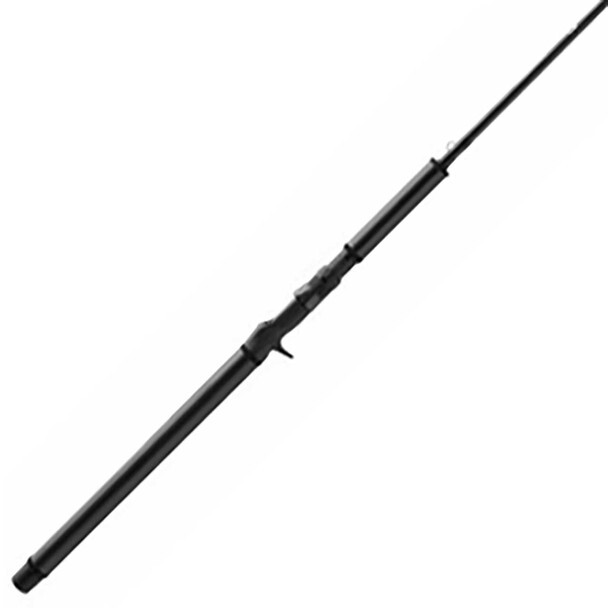
Best for Lead Core and Copper
Shimano Technium Salmon Trolling Rod
1–7 color lead core • 150–200 ft copper segments • Lake Michigan and Ontario spreads
Technium pairs a durable blank with guide trains that handle abrasion from lead core connections and copper backing. The action is moderate and steady, which helps when a copper line loads deep under the boat. The long handle sits well in gunnel holders and track systems. If you run segmented lead core or light copper for roaming steelhead on Lake Michigan or Ontario, Technium is a smart pick.
- Best for: 1–7 color lead core, 150–200 ft copper segments
- Why it works: Moderate glass-composite cushions surges on weighted lines; guides built for abrasion
- Use with: Lead core or copper main, 20–30 lb braid backer, 12–15 lb fluoro leader
5. Shimano Scimitar Salmon/Steelhead Trolling Rod
Best Budget Pick • Starter Great Lakes Spread
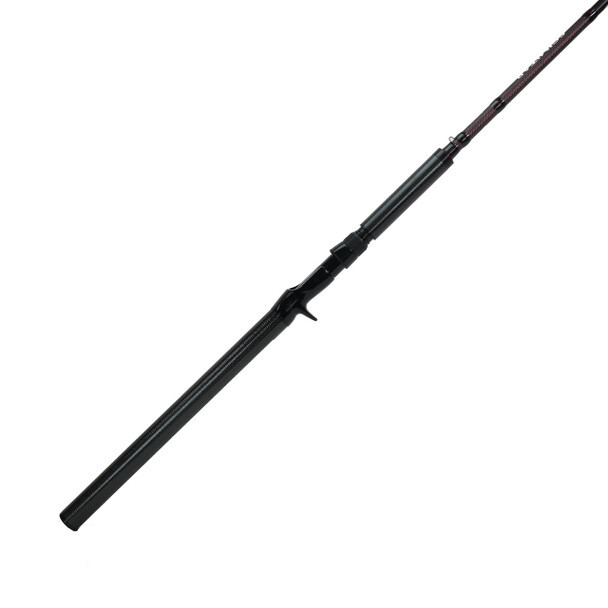
Best Budget Pick
Shimano Scimitar Salmon/Steelhead Trolling Rod
Budget board and rigger duty • Starter Erie spreads • Weekend trips
Scimitar gives you a clean moderate action at a friendly price. The blank handles inline boards and downrigger work with spoons and small plugs. It is a strong entry rod for anglers building a six- to eight-rod spread for Erie steelhead or mixed coho days. Hardware is simple and proven.
- Best for: Budget planer board and rigger duty, weekend trips
- Why it works: True moderate bend keeps fish pinned without pricey hardware
- Use with: 10–15 lb mono main; 12 lb fluoro leader
| Rod | Best For | Action | Blank | Main Line |
|---|---|---|---|---|
| FishUSA Flagship | Boards, flatlines, light divers | Moderate | Glass | 10–15 lb mono or 20–30 lb braid |
| Lamiglas Classic Glass | Downriggers, plugs | Moderate-slow | Full glass | 12–17 lb mono |
| St. Croix Onchor | Divers, high-speed spoons | Moderate | Composite | 30 lb braid to diver |
| Shimano Technium | Lead core, copper | Moderate | Glass-composite | Lead core or copper + braid backer |
| Shimano Scimitar | Budget boards and riggers | Moderate | Composite | 10–15 lb mono |
How to Choose the Right Steelhead Trolling Rod
- Technique first: Pick moderate glass or composite for riggers and boards. Pick a firmer mid for divers. Pick long blanks with abrasion-ready guides for lead core and copper.
- Line plan: Mono is forgiving and shows lure pulse well. Braid increases diver depth on the same weight. Lead core and copper reach suspended fish without additional hardware.
- Speed and lure: Spoons at 2.2–2.8 mph need a soft tip and steady mid. Plugs at 2.0–2.4 mph need shock absorption at the release so the blank doesn’t rip trebles free on a pop.
- Spread design: Mix lengths. Run 9′–10′ rods high for outside boards, 8′6″ mid for divers, and 8′6″–9′ short for riggers. Length variety prevents tangles and covers more of the water column.
Steelhead Trolling Setups by Presentation
Planer Boards (Inline or Mast)
Boards shine on roaming summer steelhead. Use moderate action rods to keep spoons pulsing and to prevent pulled hooks when a fish hits far out. Set longer rods outside and shorter rods inside to avoid tangles. Run mono for forgiveness or braid for deeper reach at the same trolling weight.
- Rods: FishUSA Flagship or Scimitar, 8′6″–10′
- Line: 10–12 lb mono or 20–30 lb braid + 12–15 lb fluoro leader
Downriggers
Downriggers target precise temperature breaks and depth bands. Use full glass or soft composite rods so the release does not rip hooks free. Keep the rod loaded hard at the clip to drive the hook on the pop.
- Rods: Lamiglas Classic Glass or Scimitar, 8′6″–9′
- Line: 12–15 lb mono; 12–15 lb fluoro leader for spoons and plugs
Divers (Dipsy and Lite Bite)
Divers pull hard and hold depth. A rod with a steady midsection holds the diver at target depth while the tip signals trips. Braid improves dive curve and resets cleanly. Do not use a fast action that pops hooks during a surge.
- Rods: St. Croix Onchor, 8′6″–9′
- Line: 30 lb braid to diver; 12–15 lb fluoro leader to spoon
Lead Core and Copper
Weighted lines reach roaming steelhead without downrigger hardware. A moderate rod protects knots and connections when a fish runs at the boat. Segment 1–7 colors on outside boards to stack the water column efficiently.
- Rods: Shimano Technium, 8′6″–9′6″
- Line: 1–7 color lead core or 150–200 ft copper; 20–30 lb braid backer; 12–15 lb fluoro leader
| Presentation | Rod Pick | Length | Main Line | Leader |
|---|---|---|---|---|
| Outside planer board | FishUSA Flagship | 9′–10′6″ | 10–12 lb mono or 20–30 lb braid | 12–15 lb fluoro |
| Inside board / flatline | Scimitar or Flagship | 8′6″–9′ | 10–15 lb mono | 12 lb fluoro |
| Downrigger (spoons) | Lamiglas Classic Glass | 8′6″–9′ | 12–15 lb mono | 12–15 lb fluoro |
| Downrigger (plugs) | Lamiglas Classic Glass | 8′6″–9′ | 12–17 lb mono | 15–20 lb fluoro |
| Dipsy diver | St. Croix Onchor | 8′6″–9′ | 30 lb braid | 12–15 lb fluoro |
| Lead core / copper | Shimano Technium | 8′6″–9′6″ | Lead core or copper + braid backer | 12–15 lb fluoro |
Tuning Drag, Hooks, and Leaders
- Drag: Set light at the rod holder so a fresh steelhead can run without pulling the hook. Increase pressure a touch after the first big run when the fish is closer to the boat.
- Hooks: Use sharp size 4–6 trebles on spoons; size 2–4 singles where regulations require or prefer. Pinch barbs in catch-and-release water.
- Leaders: 12–15 lb fluoro in standard clear water; drop to 10–12 lb in ultra-clear summer conditions; step up to 15–20 lb on mixed salmon and steelhead days when big fish are realistic.
Leader tip: Fluorocarbon sinks and has low stretch, which helps lure action and hook sets at trolling speed. Check leaders for abrasion after every fish and replace any section with a nick or flat spot — steelhead pull hard and nicked fluoro breaks without warning.
Not Sure Which Rod to Choose? Start Here
- Best overall for boards and flatlines: FishUSA Flagship Trolling Rod — moderate glass action, right length, handles any line.
- Best for downriggers and plugs: Lamiglas Classic Glass — full parabolic load, absorbs shock at the release.
- Best for divers: St. Croix Onchor — firm mid holds depth, tip reads trips cleanly.
- Best for lead core and copper: Shimano Technium — durable guides and steady moderate action for weighted lines.
- Best budget spread builder: Shimano Scimitar — true moderate bend and proven hardware at a low price per rod.
If you troll mostly boards and flatlines, pick the FishUSA Flagship. If you love riggers and plugs, pick Lamiglas Classic Glass. If you run divers to suspended marks, pick St. Croix Onchor. If you chase fish with lead core and copper, pick Shimano Technium. If you want a budget rod that still gets it done on Lake Erie, pick Shimano Scimitar.
The best trolling rods for steelhead share the same traits: a moderate action that loads deep, a steady mid that holds hardware, and the length to manage a big spread. Pick by presentation first. Use glass or composite for downriggers and boards. Use a firmer mid for divers. Use durable guides for lead core and copper. These rods have proven themselves across Lake Erie, Michigan, and Ontario. Match one to your spread, set clean drags, and you will land more steelhead.
Steelhead Trolling Rod FAQ
Moderate to moderate-slow action is best for most steelhead trolling applications. A moderate action loads into the midsection and cushions small trebles and single hooks during a surface run or cartwheel. Fast action rods pop hooks on the initial surge. Reserve firmer-mid actions for dipsy divers, where you need the blank to hold diver depth while the tip still shows trips and resets cleanly.
8′6″ to 10′6″ covers the spread. Longer rods (9′6″–10′6″) go outside on planer boards to spread lines and help with net work. Medium rods (8′6″–9′) work on diver and downrigger positions. Mixing lengths prevents line tangles when fish run in different directions and gives you a wider presentation across the water column.
Technically yes for very light board presentations, but levelwind trolling rods are the standard for Great Lakes steelhead. Levelwinds hold mono and braid under sustained tension without line dig or roller bail wear. Spinning rods are not the right tool for divers, lead core, or copper setups that need a strong reel seat and handle for heavy pulling and sustained pressure.
E-glass and glass-composite blanks are softer and more forgiving — they cushion the pop at a downrigger release, protect light trebles on spoons, and absorb shock during headshakes. Graphite blanks are lighter and more sensitive but can be brittle in rod holders and may pull hooks when a fish surges at short range. Most Great Lakes steelhead trollers prefer glass or composite for everyday board and rigger work.
A basic six-rod spread is the starting point for Great Lakes steelhead: two long rods on outside planer boards, two mid-length rods on inside boards or divers, and two shorter rods on downriggers. Eight-rod spreads add lead core or copper positions on the outside. Start with four matching rods and build from there — a budget rod like the Shimano Scimitar lets you fill out positions without heavy cost per rod.