


/
/
Grenada Lake is considered the crappie capital of the world — a 35,820-acre reservoir in Mississippi where fish over 3 pounds are common and determined anglers land slabs pushing 4. Here's how to fish it right.
Last updated: October 2026 · By: FishUSA Staff
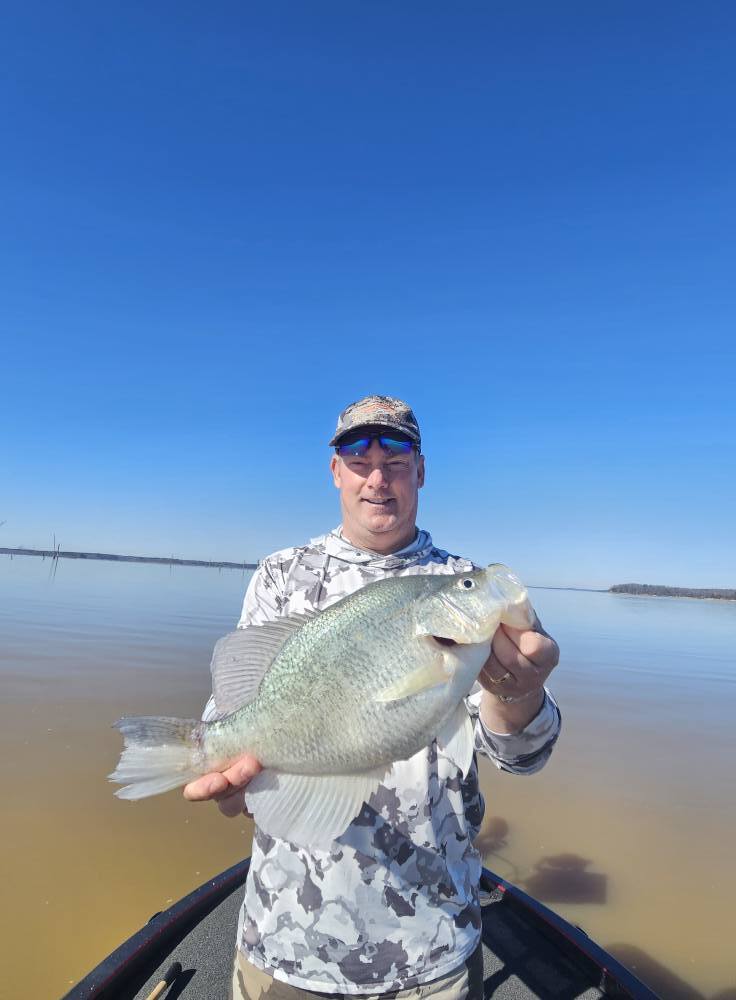
If you're looking to catch trophy-size crappie, Grenada Lake in Mississippi should be at the top of your list. This sprawling 35,820-acre reservoir is not only famous for largemouth bass and catfish, but it's also considered by many to be the crappie capital of the world. Fish over 3 pounds are common, and determined anglers often land crappie pushing the 4-pound mark.
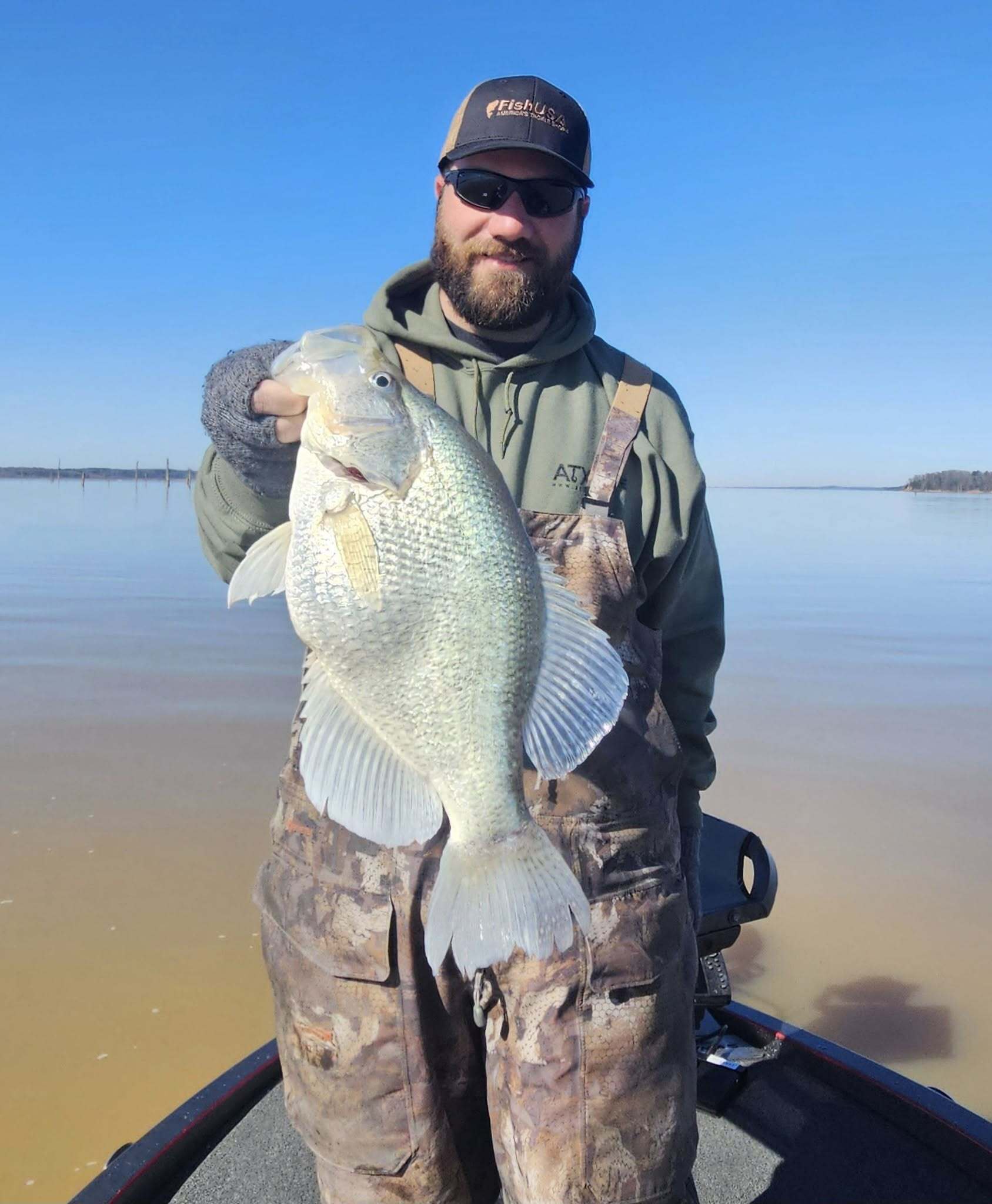
Grenada Lake features a unique mix of natural and man-made structures that provide excellent cover for crappie. While much of the original timber in the lower lake was removed prior to impoundment, natural events and restoration efforts have reintroduced abundant cover in key areas:
The lake's naturally turbid water may discourage anglers who prefer clear water, but this low visibility actually helps crappie grow larger and strike more aggressively. Brightly colored lures that produce flash or vibration work best in these conditions.
Learn more: When Do Crappie Spawn?, Spring Crappie Fishing
Learn more: Crappie Fishing In The Summer
Learn more: Fall Crappie Fishing
Whether you're vertical jigging, spider rigging, or casting jigs, having the right gear can make all the difference. Here are a few proven combos:
Learn more: Best Crappie Fishing Rods, Best Crappie Fishing Reels, Best Rod Reel Combos For Crappie
Throughout the year, crappie at Grenada Lake aggressively strike jigs in 1/16-ounce sizes. Some of the most productive options include:
Tip: If your go-to color isn't working, don't hesitate to switch. Crappie are known to change color preferences rapidly throughout the day.
When fishing pressure is high or visibility is low, boosting your bait with scent can trigger more strikes. Consider these options:
The most productive areas are stump fields and stickups in the upper Skuna and Yalobusha River arms, the buck brush near Gums Crossing and Youngs Landing during high water, and the thousands of unmarked Christmas tree and cedar top fish shelters placed throughout the lake. During warmer months, submerged cypress trees and other main-lake structure also hold fish.
Grenada Lake crappie are known to aggressively strike 1/16-ounce jigs throughout the year. Strike King Mr. Crappie Jig Heads in orange/black or orange/orange are among the most consistently productive options. Pair them with soft plastics like the Mr. Crappie Slabalicious, Slab Slangers, Lightning Shad, or grubs for best results.
Spring is the prime time, with peak spawning activity from mid-March through mid-April as fish move into shallow brush and stump roots. Fall — particularly September and October — is the second-best window as crappie move shallower again during stable weather. Summer fishing is possible by targeting deeper structure with electronics.
Grenada Lake's combination of naturally turbid water, abundant structure (stump fields, submerged timber, thousands of man-placed fish shelters), and a rich forage base creates ideal growing conditions for black crappie. Fish over 3 pounds are caught regularly, and determined anglers have landed crappie pushing 4 pounds. The lake's 35,820 acres provide vast habitat and consistent year-round crappie fishing opportunities.
A light to ultralight spinning setup is the standard choice. The BnM Godwin's Crappie Cast Combo is a proven option for casting jigs, while the Shakespeare Ugly Stik GX2 Spinning Combo offers an all-purpose alternative for vertical jigging and spider rigging. Match your rod with 4–6 lb monofilament or fluorocarbon for the best sensitivity and presentation.
Yes — scent can make a real difference at Grenada Lake, especially in the lake's naturally turbid water or under high fishing pressure. Atlas-Mike's Lunker Lotion adds scent and bright color. Pro-Cure Super Gel provides both scent and UV enhancement for low-light conditions. Pautzke Crappie Fire Balls are excellent for tipping jigs to increase strike rates.
Whether you're chasing record-sized slabs or looking for consistent action, Grenada Lake is one of the best places to fish for crappie in the United States. With the right seasonal strategy, tackle setup, and lure presentation, you'll be well on your way to filling your cooler. Don't forget to check out all your essential crappie gear and tackle at FishUSA.
Hook Me Up!
Sign up for emails and texts to get exclusive updates and offers.
By providing your number above, you agree to receive recurring automated marketing text msgs (e.g. cart reminders) to the mobile number used at opt-in from FishUSA on 25043. Consent is not a condition of purchase. Msg frequency may vary. Msg & data rates may apply. Reply HELP for help and STOP to cancel. See Terms and Conditions & Privacy Policy