


/
/
Plenty of catfish anglers swear by chicken livers, and there's no denying they catch fish. But if you want to up your odds, boost your numbers, or stick a heavyweight blue, you need the right bait for the right fish. Here are clear picks, simple rigs, and when to use each.
Last updated: September 2026 · By: FishUSA Staff
Do you know which bait — and which rig — shines for a flathead tucked under a ledge? What about the right choice for blues staging at a creek mouth? Or the easiest way to pile up channel cats for a weekend fish fry? Below are the clear picks so you can fish smarter and catch more.
Chicken livers catch fish because they bleed scent fast. Channel cats follow that plume, especially in lakes, ponds, and slow pools where current will not strip the bait off your hook. The downside is softness. Livers tear on the cast and slide on the shank if you do not secure them well. They also fade with time; the scent drops after the first few minutes and you must re-bait to keep the bite steady.
Use fresh or lightly aged livers. If you need more firmness, salt them a few hours before the trip. Keep portions small so the hook point stays clear. A compact bait stays on longer and hooks cleaner than a fist-sized wad.
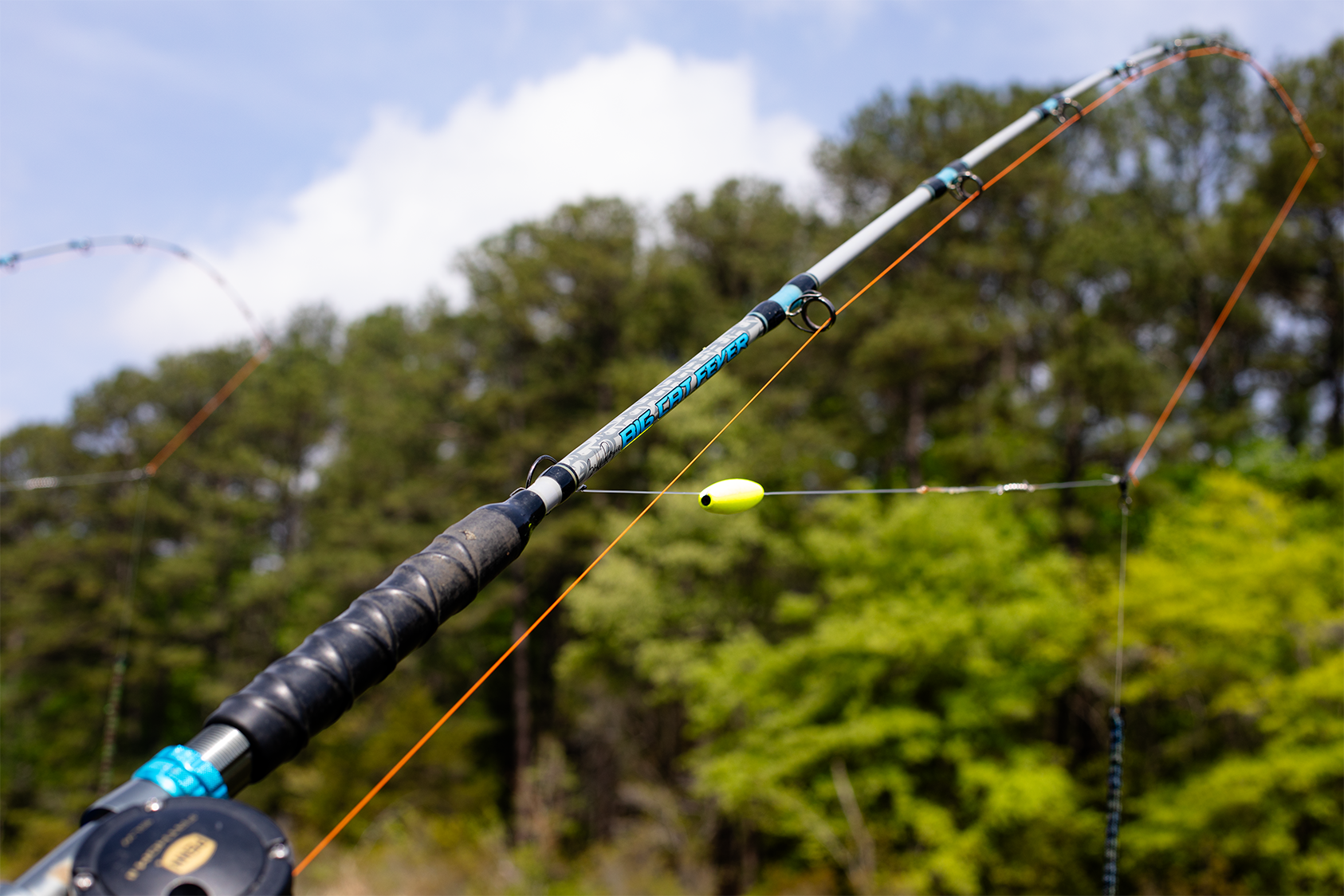
Lift the bait a few inches off the bottom so the scent spreads. A slip float helps you do that in still water. Rig a sturdy treble or a circle-style liver hook, thread a narrow strip of liver, and wrap with light bait thread to lock it down. Set the float stop so the bait hangs 2–6 inches above the mud. Cast to windblown banks, creek mouths, and ledges, then reset with a fresh piece every 10–20 minutes.
Crawfish give you movement, vibration, and a natural scent that flatheads cannot ignore. Big fish key on crustaceans along riprap, timber, and rock shelves. Live craws wave and kick hard, which helps cats track the bait under cover. Even dead craws work when you crack the shell to release scent.
Hook live craws through the tail meat from bottom to top so they swim and kick. Use a strong octopus or circle hook — size will depend on the size of craw used — for big fish and adjust size down for smaller waters. Fish a simple slip-sinker rig with a 12–24 inch leader and just enough weight to pin the bait in place beside the cover, not inside it. Drop at the edge of laydowns, undercut banks, and ledges. Keep the rod loaded and the drag set; strikes are sudden and tight to the wood.
Live shad gives off flash, vibration, and a strong baitfish scent. Blues and flatheads hunt by feel as much as smell, and a struggling shad rings every dinner bell. Size the bait to the fish: palm-sized shad for trophies, 2–4 inch shad for steady action. In warm water, live shad outproduces cut. In cold water or strong current, cut shad can equal or beat live due to a stronger scent trail.
Lip-hook or tail-hook the shad so it swims. Use a three-way rig when you want a fixed position near the bottom: main line to three-way swivel, 12–24 inch dropper to a sinker, and 18–36 inch leader to the hook. In moderate current, switch to a slip-sinker rig and let the shad roam. Keep the hook point clear, and re-bait when the shad tires. If you miss short hits, bridle the bait or step down a hook size to improve penetration.
Nightcrawlers are simple, cheap, and deadly. A writhing bundle leaks scent and moves enough to draw fish in low light or stained water. They shine on small rivers and farm ponds where cats feed shallow at dusk and dawn. Worms also excel when the water is cold and fish want an easy meal.
Thread two to four large crawlers onto a baitholder or small treble, leaving tag ends to wiggle. Suspend under a slip float so the bait rides just off the bottom or above grass. In current, switch to a Carolina rig with a 12–18 inch leader and a 1/2–1 oz sinker. Cast upriver, let the rig settle, and tighten to slight tension. Re-bait often; fresh worms outfish washed-out bundles.
Punch and dip baits excel because they stick to the hook and leak a strong scent trail that channels can track in current. The paste fills fibers on a dip worm or sponge and releases as the rig swings. These baits are messy but fast, and they shine below riffles, behind wing dams, and along outside bends where scent spreads.
Use a dedicated dip worm or a treble wrapped with sponge. Push the hook deep into the tub and pull out slow to coat the fibers. Rig below a slip float in snaggy water or on a slip-sinker rig over clean sand. Keep the bait cool so it stays thick. Re-dip every 10–15 minutes or after a fish. Short leaders — 8–14 inches — hold the bait in the scent lane and reduce snags.
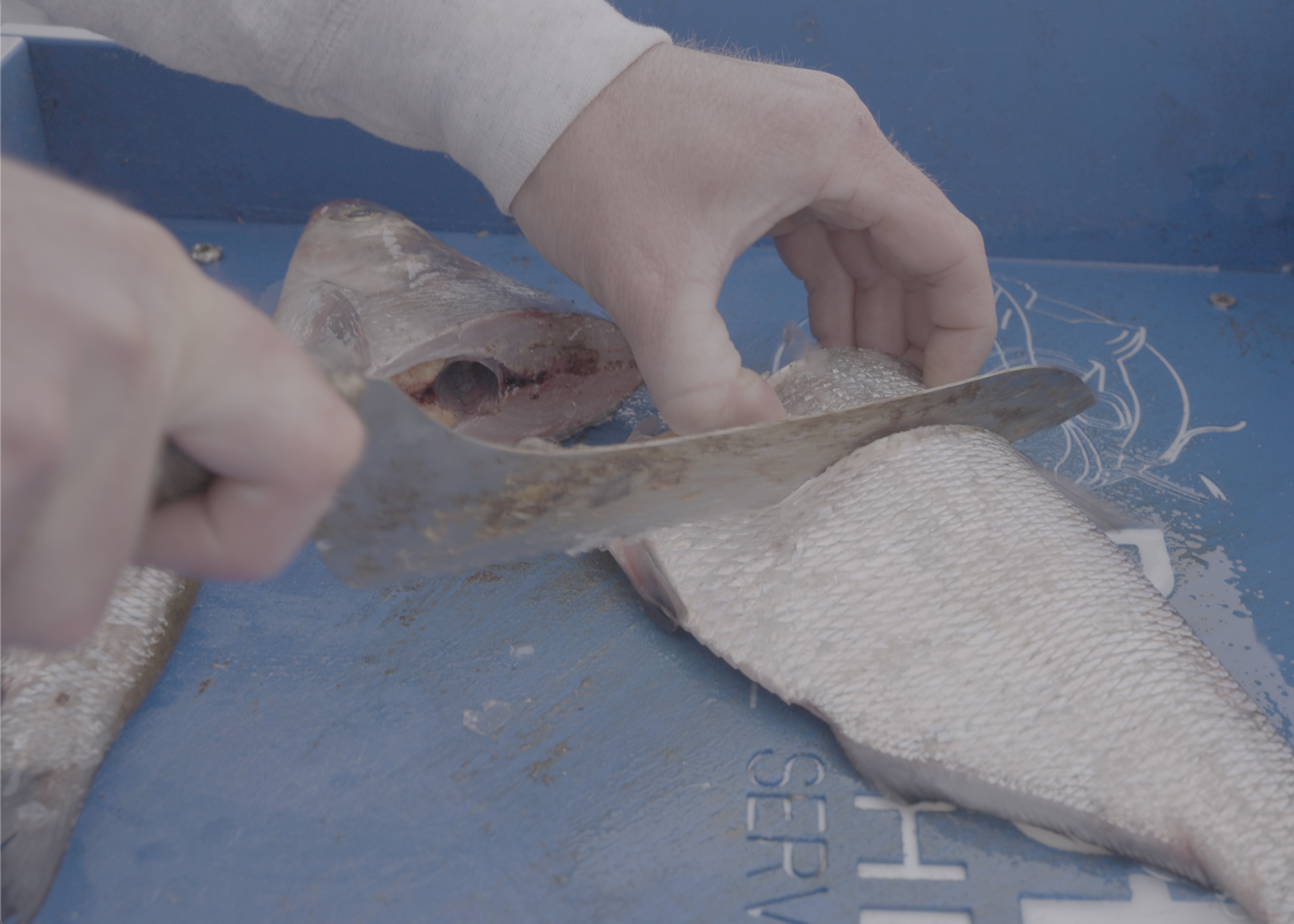
Cut bait is the most versatile bait for all species of catfish. Fresh cut shad, panfish, or whatever the natural forage of your local waterway is disperses scent and calls fish in from great distances.
Cut bait can be fished on the bottom, drifted, under a slip float, from the bank, or on any other popular style of catfish rig. Big baits have more potential to catch big fish — use large pieces if targeting giant blues or flatheads and smaller pieces for channels. Re-bait often to maintain the freshest scent possible.
Better bait choices start with how each species feeds and where it holds. Catfish carry small swim bladders and live near the bottom, tracking prey by smell and vibration. Use scent to draw fish from distance and vibration to trigger big predators.
Check out our full guide on What Do Catfish Eat? for a deeper look at forage by species, season, and water type.
No single bait solves every bite. Match the bait to the species, the spot, and the conditions. Use livers and worms to stack channels. Use live shad to tempt big blues. Use crawfish to pull flatheads from heavy cover. In current, lean on punch and dip baits to spread scent. Keep hooks sharp, keep baits fresh, and keep the bait a few inches off bottom. Do that, and you will put more catfish on the bank and more fillets in the fryer.
The best catfish bait depends on the species and conditions. Fresh-cut shad or skipjack is the most versatile choice for blue catfish. Chicken livers and nightcrawlers excel for channels in still water. Live shad, sunfish (where legal), or crawfish are the top picks for flatheads near heavy cover. Cut bait from local forage fish is the most adaptable option across all three species.
It depends on the species. Flatheads strongly prefer live bait — they are ambush predators that key on vibration and movement. Blue catfish respond to both but favor fresh cut bait in most conditions because the bleeding scent trail travels farther in current. Channel catfish are the most flexible and take live bait, cut bait, worms, dip baits, and punch baits with equal enthusiasm depending on conditions.
Live shad or live sunfish (where legal) produce the biggest flathead catfish. For trophy blue catfish, large chunks of fresh skipjack herring — whole heads or thick midsections — consistently attract heavyweight fish. Size your bait to the fish you're targeting: a palm-sized shad or a fist-sized chunk of skipjack signals "big meal" to a big fish in ways that small, trimmed pieces cannot.
Yes — chicken liver is effective for channel catfish, particularly in still water like ponds, lakes, and slow pools. The bait bleeds scent quickly and draws fish fast. The main limitation is softness: liver tears on long casts and washes out quickly, requiring frequent re-baiting. Salt the livers before the trip to firm them, use light bait thread to secure them, and replace every 10–20 minutes to maintain the scent trail.
The Carolina slip-sinker rig is the most versatile for most catfish baits. Use a Santee-Cooper rig (Carolina with a peg float) to lift bait off muddy or weedy bottoms. A slip float works well for shallow water over cover. A three-way dropper rig is best in heavy current or rocky and timber-laden water. All four rigs pair well with circle hooks for clean hooksets without snapping the rod.
Cut shad is consistently the top-producing bait for blue catfish and a strong option for channels. Shad heads bleed oil and create a strong scent trail; midsections produce a steady blood trail; fillet strips work well over flat, clean bottom. Fresh shad always outperforms frozen. Skipjack herring equals or outperforms shad on large rivers. For flatheads, live shad outperforms cut shad in most conditions.
Replace soft or cut baits every 15–30 minutes to maintain scent output. Chicken livers and dip baits should be refreshed every 10–20 minutes as they lose potency quickly in water. Nightcrawlers can last longer in cold water but should be replaced when limp or colorless. Live baits should be replaced when they die or become lethargic — a still baitfish loses its main advantage over cut bait.
Hook Me Up!
Sign up for emails and texts to get exclusive updates and offers.
By providing your number above, you agree to receive recurring automated marketing text msgs (e.g. cart reminders) to the mobile number used at opt-in from FishUSA on 25043. Consent is not a condition of purchase. Msg frequency may vary. Msg & data rates may apply. Reply HELP for help and STOP to cancel. See Terms and Conditions & Privacy Policy