


/
/
Bank fishing is direct, affordable, and deadly when you match location, bait, and rig to the conditions. Catfish use edges, wind, and current to find food. You can reach those lanes from shore with clean casts and correct spot selection.
Last updated: September 2026 · By: FishUSA Staff
Catfish are edge travelers. They cruise riprap, points, and creek mouths because current and wind push forage into these lanes. From shore, you can target those compressions without needing a boat. Your job is to present fresh bait close to bottom, keep the hook point clear, and hold slight tension so soft takes show up. With simple rigs and smart angles, a shore setup covers the same high-percentage water a boat would drift or anchor on.
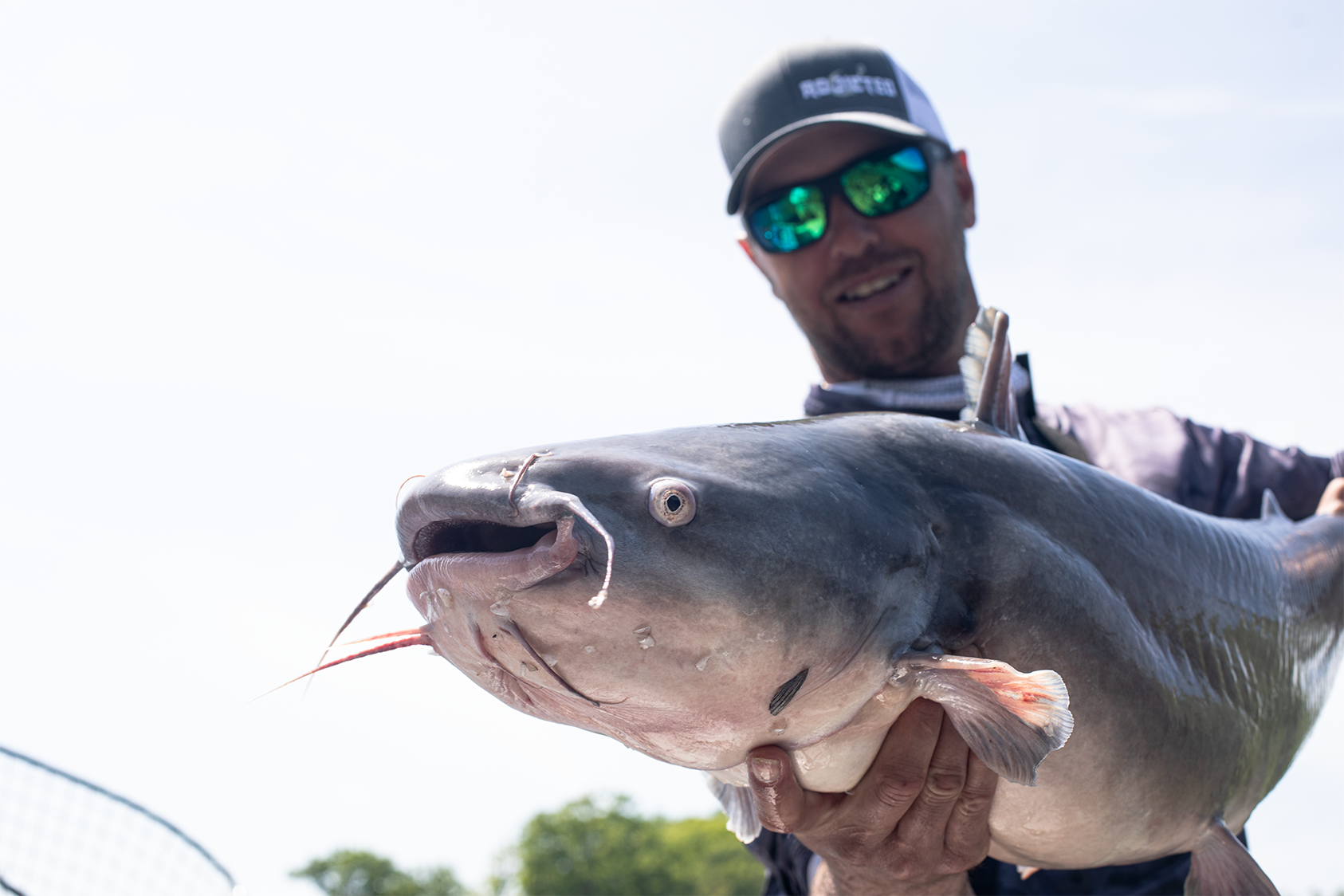
Wind is your friend on lakes. A steady blow creates surface current that herds shad into points, banks, and riprap. Pick the upwind shore and work three lanes: tight to the rocks, the first break, and the outside edge. Creek mouths are another producer; small inflows carry scent and food, and cats stack where stained water meets clear.
In rivers, seams and bends rule. Inside bends slow the current and stack debris, which attracts forage. Current seams — where fast meets slow — act like conveyor belts that carry scent and bait to waiting fish. Wing dikes and rock piles build soft eddies on the downstream side; set a rig on the soft edge and let the scent work. Rising water floods banks and brush, drawing cats shallow — prime time for a careful cast parallel to the edge.
Season shapes behavior. In spring, warming trends and south wind wake fish and push them shallow by midday. Summer heat compresses the bite to dusk, night, and pre-dawn, with cats cruising points, riprap, and flats. Fall brings all-day action when wind corrals bait; follow that wind and you will find fish. In winter, pick mild days and focus on deeper banks near channel swings, then fish the warmest hours. For a full seasonal and hourly breakdown, see our best time to fish for catfish guide.
Bank gear should cast well, protect leaders, and show bites. A medium-heavy rod with a moderate action absorbs surges on short lines. Pair it with a smooth drag and strong main line. Bright main line helps track angles at night, while heavy mono leaders shrug off rock and shell. Solid holders keep rods stable so circle hooks can load without you touching the handle.
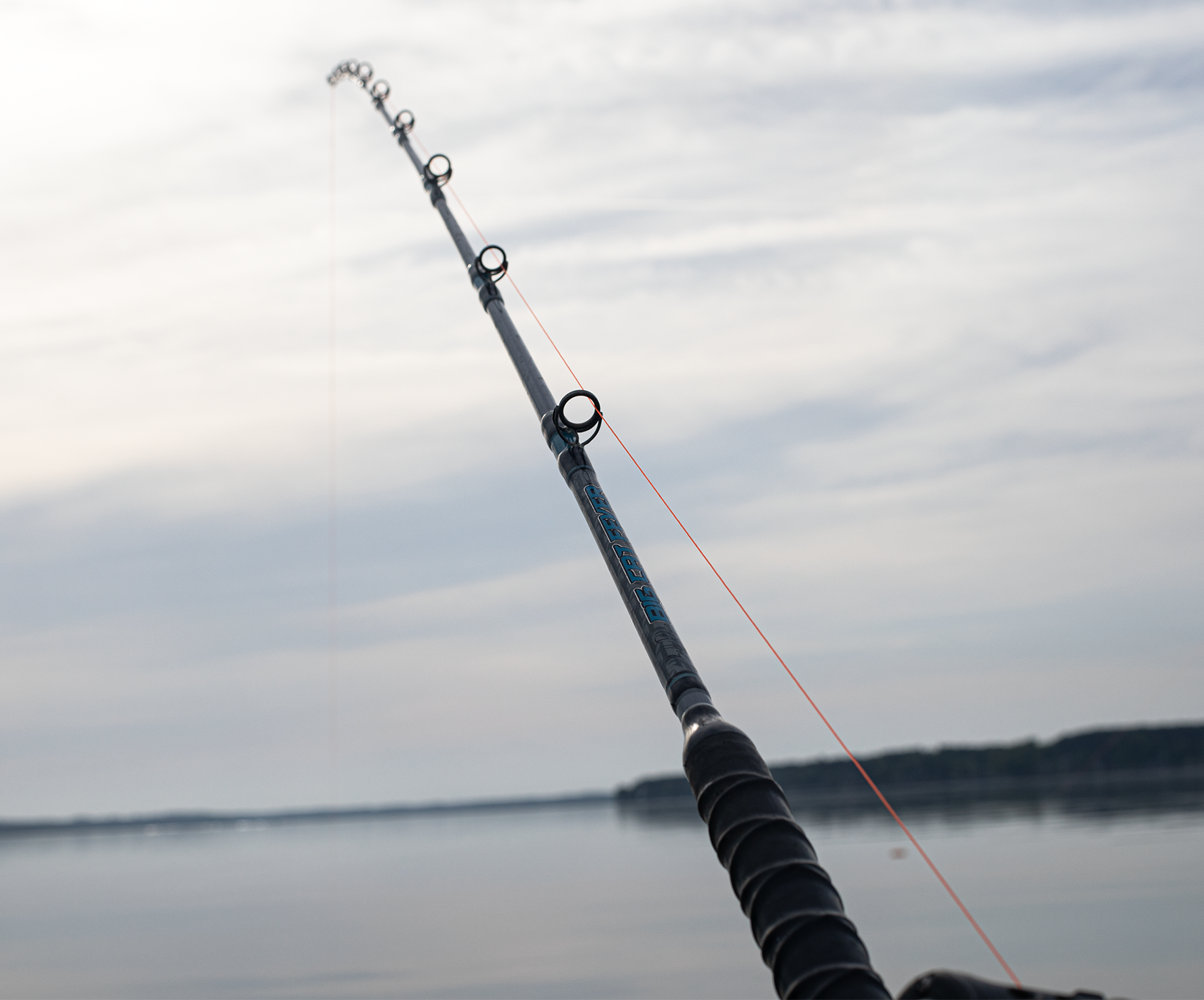
Keep rigs simple and matched to the bottom. On clean sand or mud, a Carolina rig shines and telegraphs soft bites. Over grass, shell, or light debris, a Santee-Cooper rig lifts the bait a few inches and prevents fouling. In rock and timber, a three-way rig with a light breakaway dropper saves leaders. For shallow night bites over cover, a slip float rig holds bait above snags and lets you creep presentations along the edge.
Use the Carolina rig when you want bottom contact without clutter. It casts far, pins bait near bottom, and works on lakes and rivers. Shorten the leader in wind so the bait does not swing and tangle.
The peg float raises bait 2–6 inches and keeps hooks clean. It is ideal for wind-blown flats with grass or shell where cut bait would otherwise bury in the junk. Move the float closer to the hook in snaggy zones.
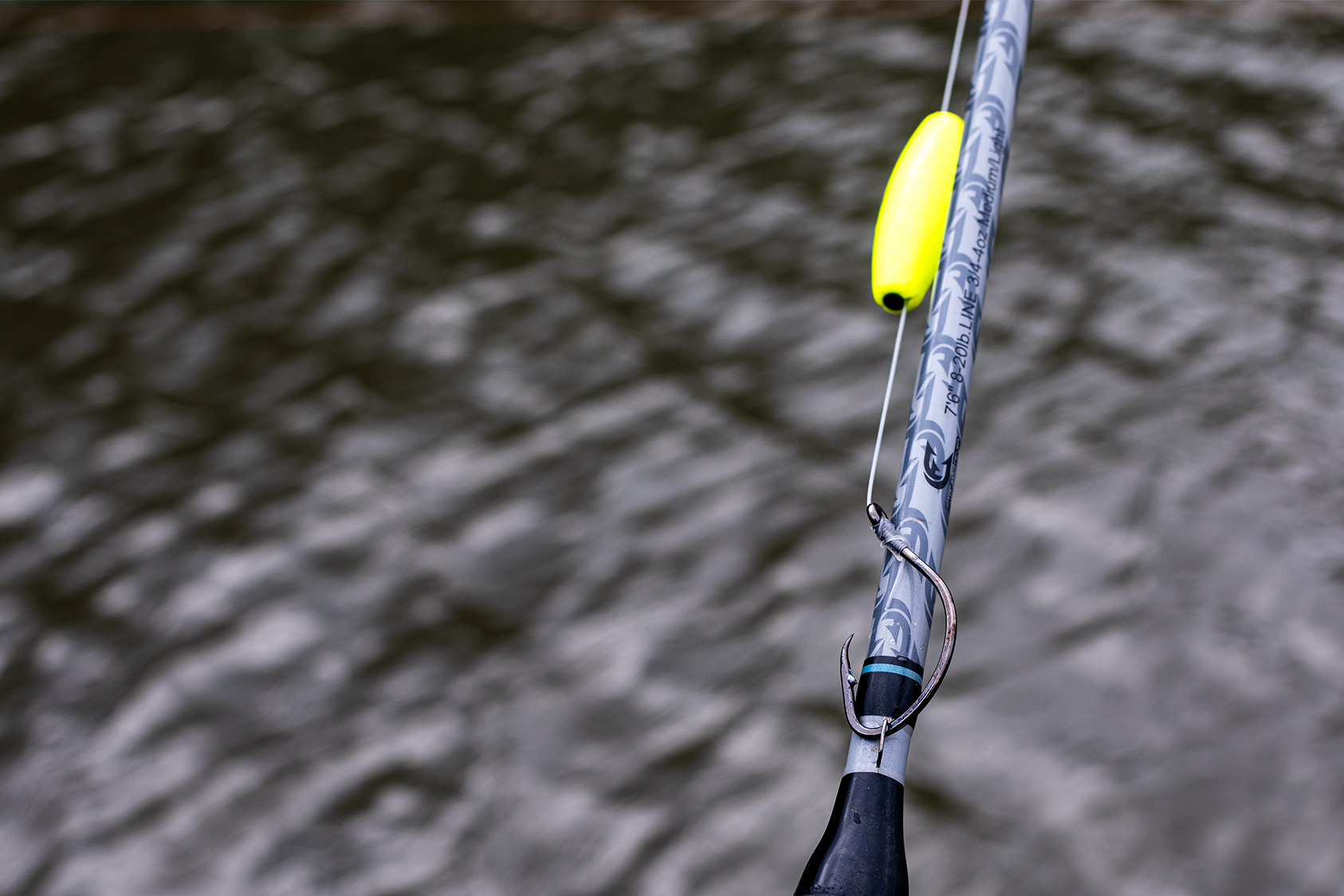
When rock and wood eat sinkers, separate the weight from the leader. Tie the dropper with lighter mono so a snag only costs the sinker. This keeps you fishing instead of re-rigging.
A slip float rig is perfect for riprap, weeds, and timber in 1–5 ft. Set the stop so the bait runs just above cover, then creep the float a foot at a time. Many bites look like a slow tilt or sideways slide — set on either.
Fresh bait outfishes old bait. Match local forage and trim pieces so the hook point stays clear. Replace mushy cuts on a timer and keep bait on ice to hold firmness. Use heads for thump, mids for scent, and fillets when you want glide. For flatheads, lively legal bait near wood is hard to beat. For a full breakdown of which baits outperform by species and season, see our best catfish bait guide.
Coverage matters from shore. Stagger your casts to touch three lanes: shallow, first break, and deeper edge. Spread angles left, center, and right so lines do not cross and each rod sweeps a unique seam. Point rod tips at the line and keep a slight bow; this lets circle hooks load and turn into the corner of the jaw without a snap set.
At night and in wind, many takes are subtle. With circle hooks, resist the impulse to snap. Let the rod load, reel to weight, and lift to set. If you see short taps and no commitment, shorten the leader or add weight so the bait stops swinging and the fish feels steady resistance.
Use wind and flow to your advantage. On lakes, fish the windward side and cast at a 30–45° angle so the line settles into a natural lane. On rivers, aim slightly upstream of the seam; the rig will slide into the soft side and hold. Keep light tension — too much slack hides bites and drifts the rig into snags.
Night is prime in summer. Pick safe footing, clear a landing path, and stage tools where you can grab them without searching. Run two to four rods if legal, refresh bait on a schedule, and keep light discipline — red mode for rigging and beams away from the water. Work a three-sit plan: dusk, midnight reset, and pre-dawn slide to the first break. For full timing windows, spot selection, and rig setups, see our complete night fishing for catfish guide.
Good access and clean banks help everyone. Respect hours and rules, give neighbors space, and avoid crossing lines. On steep riprap or swift flow, wear a PFD and use cleats. Pack out old line, hooks, and bait containers — leaving a clean bank means you can come back to a productive spot.
Most problems come from fishing the wrong side, letting baits go stale, or sitting too long. Move to wind, refresh bait often, and change something every 30–45 minutes: angle, distance, bait size, or rig height. If snags chew up gear, add a peg float or switch to a breakaway dropper so you stay in the game.
Pick a point on the upwind shore. Cast three Carolina rigs to shallow, break, and deeper lanes. Rotate baits — head, mid, and fillet strip — and copy the rod that gets bit. If the bite stalls, slide 30 yards and reset angles.
At dusk, channels run the rocks for insects and baitfish. Hold one bottom rod with cut shad and two slip floats at 1–3 ft. Walk the bank in short steps until a lane lights up, then camp that stretch and cycle fresh baits.
Flatheads sit tight to timber. Tie a three-way with a light dropper, set lively bait 2–5 ft off the cover, and keep the hook point clear. Give each tree 30–45 minutes and move; location beats waiting.
Pack for speed and safety. Pre-tie leaders, sort sinkers, and keep tools handy so you can reset fast and keep baits fresh.
Bank fishing for catfish is a clean system: choose wind and flow, hit edges and seams, run simple rigs that fit the bottom, and keep bait fresh. Stagger casts to cover lanes, hold slight tension for bite reads, and move when water goes quiet. Follow this plan and your shore sessions will stack steady bites and more fish on the bank.
On lakes and reservoirs, the upwind shore is consistently the best location — wind pushes shad into points, riprap, and creek mouths where catfish feed. On rivers, fish current seams and inside bends where flow compresses food into soft pockets. Riprap holds channel cats throughout warmer months because rock retains heat and attracts the baitfish cats feed on. Start near a depth change — the transition from shallow to the first break is the most consistent lane to cover from shore.
The Carolina slip-sinker rig is the best starting point for most bank situations — it casts far, holds bait near bottom, and works on clean sand or mud. Use a Santee-Cooper rig over grassy or shell-covered bottom to keep hooks clear. For rivers with rock and timber, tie a three-way rig with a lighter breakaway dropper so a snag only costs the sinker. A slip float rig works well for shallow riprap and night fishing. All four rigs pair well with circle hooks for clean hooksets from a rod holder.
Fresh-cut shad is the most versatile bank bait for blue and channel catfish — use heads for thump, midsections for scent trail, and fillet strips for glide. Punch and dip baits excel for channels on rivers where scent spreads in current. For flatheads, live bait — shad, sunfish, or suckers where legal — placed near wood cover is the standard. Keep all bait on ice and replace cuts every 15–30 minutes to maintain a strong scent trail.
Dusk through pre-dawn is the most productive window in spring and summer. A 60–90 minute surge at dusk brings fish shallow; a second push around midnight follows as noise and traffic fade; a pre-dawn window fires as fish slide toward the first break. Fall offers all-day action when wind corrals bait schools. In winter, the warmest afternoon hours on deeper banks near channel swings produce the most consistent results from shore.
With circle hooks in a rod holder, do not snap set. Let the rod load, pick it up and reel down to feel the weight, then lift steadily — the hook rolls into the corner of the jaw on its own. With octopus or kahle hooks, a firm sweep is enough. If you see short taps without commitment, increase sinker weight by 1/2–1 oz to stop the rig from swinging, or shorten the leader to 12–18 in so the fish has to commit harder before the hook can set.
The legal limit varies by state, so always check local regulations first. Many states allow two to three rods per angler from shore. Two to four rods covers enough water to test shallow, break, and deeper lanes simultaneously without creating a tangle-prone spread. Stagger cast angles left, center, and right so lines do not cross and each rod covers a unique seam.
Yes — bank spikes or sand spikes are essential for catfish fishing because circle hooks require the rod to stay loaded while a fish walks with the bait. Holding the rod tends to lead to snap-setting, which pulls the hook out before it seats. A firm rod holder pointed at the cast angle holds slight tension, lets the fish load the rod, and gives you time to reach it before lifting. Set holders before dark and check that they are driven deep and stable.
Hook Me Up!
Sign up for emails and texts to get exclusive updates and offers.
By providing your number above, you agree to receive recurring automated marketing text msgs (e.g. cart reminders) to the mobile number used at opt-in from FishUSA on 25043. Consent is not a condition of purchase. Msg frequency may vary. Msg & data rates may apply. Reply HELP for help and STOP to cancel. See Terms and Conditions & Privacy Policy