


/
/
Sunny skies and calm conditions are great for boaters, but hot summer weather can make fishing tough. Here are 6 proven tips to help you find more fish and make the most of your time on the water — even when the heat is on.
Last updated: October 2026 · By: FishUSA Staff
Who doesn't love a gorgeous summer day on the water? While sunny skies and calm conditions are great for boaters, they can make fishing tough. In this article, we'll break down 6 essential summer fishing tips to help you find more fish and make the most of your time on the water — even when the heat is on.
In summer, fish often feed most actively at dawn and dusk. As the sun rises and water temperatures climb, many species retreat to deeper or shaded areas and become less aggressive. Get on the water early to take advantage of the low light and cooler temperatures. Topwater bass bites and early morning trolling runs for walleye can be electric at this time.
Related:
Heatstroke and dehydration are very real dangers during long, hot days. Staying hydrated helps keep your mind sharp, which is crucial for staying alert to bites and patterns. Wear sun-protective clothing like FishUSA Performance Shirts or gear from AFTCO and Simms to protect your skin and stay cool. Staying comfortable means staying focused and fishing smarter all day long.
As shallow water warms, oxygen levels drop, pushing baitfish — and the predators chasing them — into deeper water. Use electronics to locate offshore structure like humps, deep weed edges, or submerged brush piles. Walleyes, smallmouth bass, and muskies may suspend in deeper basins and chase bait that congregates over cooler, oxygen-rich water. Trolling deep-diving crankbaits or using vertical presentations can be deadly during these conditions.

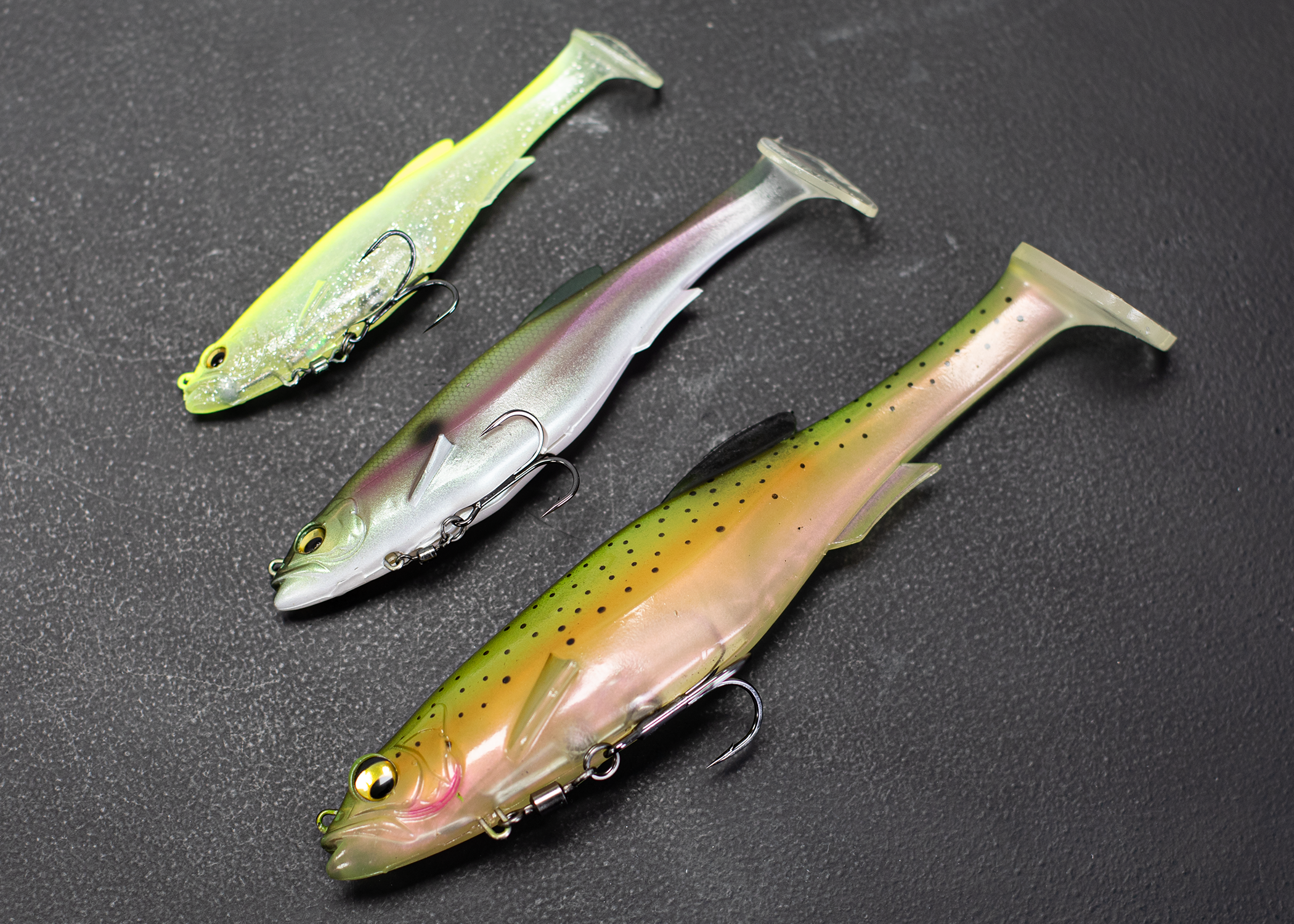
Post-spawn fish are hungry and looking for easy meals. Early summer is a great time to throw larger baits like oversized swimbaits, jigs, and topwater lures. These not only attract bigger fish, but also help cover more water. Baits like the Megabass Spark Shad or Magdraft are proven summer winners for big predators like bass and pike.
Whether it's natural river current or wind-generated flow on a lake, current can activate feeding behavior. It congregates plankton, attracts baitfish, and positions predators into ambush spots. If your day starts slow, head for wind-blown banks, main lake points, or areas where current funnels through tight spaces. Understanding current patterns can completely change the course of your fishing day.
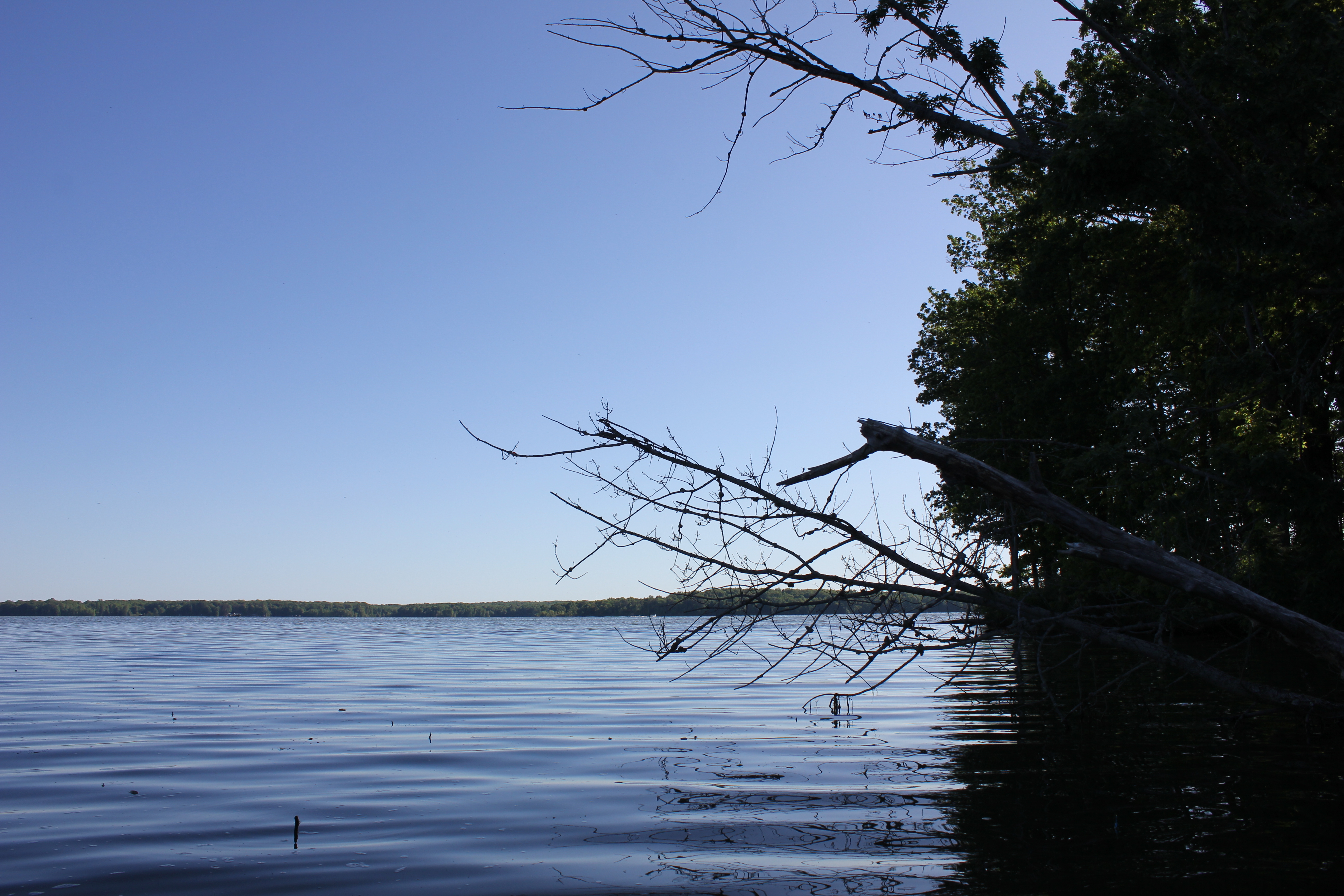
Just like anglers, fish seek shade on hot sunny days. Bridges, docks, overhanging trees, or even thick aquatic vegetation provide cover and relief from direct sunlight. These shaded areas often serve as ambush points, where bass or panfish wait for unsuspecting prey to swim by. Always check shaded zones before moving on — they could be holding more fish than you expect.
Early morning is the best time to fish in summer. Fish feed most actively at dawn before water temperatures climb and they retreat to deeper, shaded areas. Dusk is another productive window. Midday fishing during summer is possible but often requires switching to deeper structure or shade-oriented presentations.
It depends on the body of water, but in summer many predator fish move to deeper, cooler, oxygen-rich areas. On lakes, fish may suspend near offshore humps, deep weed edges, or submerged structure at 10–25 feet or more. Use a fishfinder to locate baitfish and target the depth where fish are holding rather than fishing at a fixed depth.
Early summer is a great time for big baits — oversized swimbaits like the Megabass Magdraft and Spark Shad, jigs, and topwater lures all produce. During midday heat, deep-diving crankbaits and vertical jigging presentations work well for fish holding deep. In shade-oriented situations, skip jigs and flipping baits excel around docks, laydowns, and bridges.
Current and wind are among the most reliable triggers in summer. Wind-blown banks concentrate plankton, which attracts baitfish and then predators. River current funnels fish into ambush positions along seams, points, and structure transitions. When fishing is slow on calm days, move to wind-exposed areas or look for any current flow to find active fish.
Stay hydrated by drinking water consistently throughout the day — don't wait until you're thirsty. Wear sun-protective clothing, a hat, and sunglasses to shield yourself from UV exposure. Take breaks in shade when possible, and avoid extended exposure during peak heat hours (10am–3pm). Heatstroke and dehydration can set in quickly on the water, so prioritize safety alongside fishing strategy.
In summer, bass use a combination of deep structure, shade, and current to manage their body temperature and feeding opportunities. Early morning they push shallow — especially to topwater zones near weed edges and points. As the day heats up, they move to deeper cover, docks, laydowns, and shaded structure. Evening brings another shallower feeding period similar to the morning bite.
Fishing during summer heat isn't always easy, but with the right strategy and awareness, it can be incredibly rewarding. Use these summer fishing tips to beat the heat, stay safe, and catch more fish this season.
Hook Me Up!
Sign up for emails and texts to get exclusive updates and offers.
By providing your number above, you agree to receive recurring automated marketing text msgs (e.g. cart reminders) to the mobile number used at opt-in from FishUSA on 25043. Consent is not a condition of purchase. Msg frequency may vary. Msg & data rates may apply. Reply HELP for help and STOP to cancel. See Terms and Conditions & Privacy Policy