


/
/
You don't need a boat to catch bass. Shore fishing puts you right where bass live — tight to the bank, hunting cover, chasing baitfish. This guide covers the best spots, lures, and techniques for consistent catches from the bank.
Last updated: October 2026 · By: FishUSA Staff
Fishing for bass from shore is one of the most accessible and rewarding ways to chase largemouth and smallmouth bass. Whether you're working a local pond, a lake shoreline, or a river bank, shore fishing puts you within striking distance of the structure and cover that bass call home. You don't need a boat, a trailer, or a launch fee — just the right lures, a solid approach, and some knowledge of where bass hang out near the bank.
This guide breaks down everything you need to know about shore fishing for bass: where to find them, which lures to throw, and how to work the bank effectively from your first cast to your last.
Shore fishing for bass is more productive than many anglers expect. Bass are structure-oriented fish, and a lot of that structure sits right along the bank — docks, fallen trees, riprap, weed edges, and rocky points. When conditions align, bass push shallow and set up on the same shoreline features that shore anglers can reach on foot.
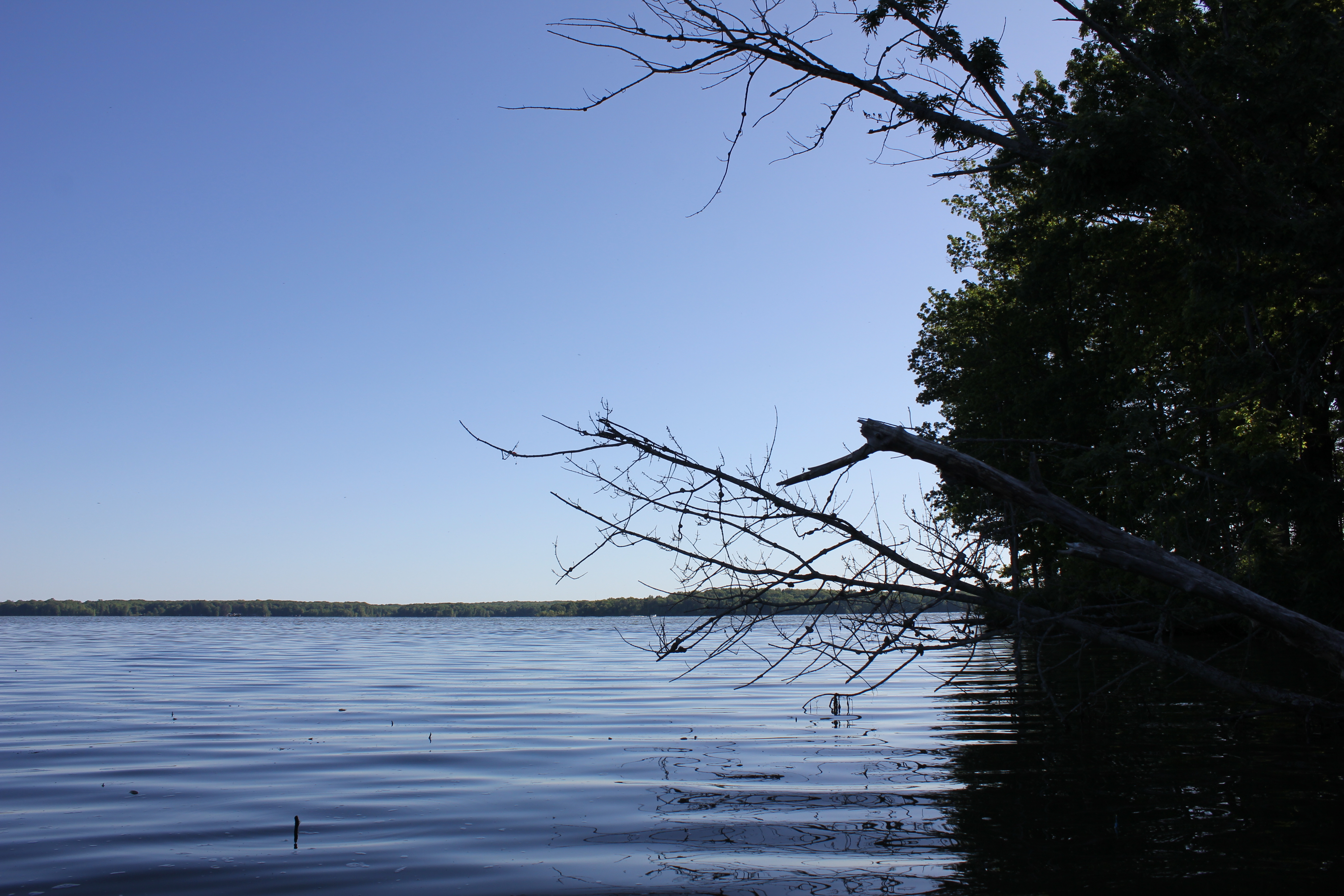
Reading the bank is the most important skill in shore fishing. Bass don't roam randomly — they position on structure and ambush prey. Knowing which bank features attract bass will help you spend your time on productive water instead of casting blind.
Points — areas where the shoreline extends into the water — are prime bass territory. They create natural ambush locations where bass can hold in slightly deeper water and dart into the shallows to chase baitfish. Look for points that transition from a flat, shallow bank into a steeper drop. Cast along both sides of the point and work your lure through the tip where the depth change is sharpest.
Aquatic vegetation holds bass year-round but especially in warmer months when weeds are full. Bass use grass edges and lily pad fields as both cover and hunting grounds. Target the outside edge of a weed line with a spinnerbait or crankbait on moving days, and work hollow-body frogs across the top of matted vegetation for some of the most explosive strikes in freshwater fishing.
Docks provide bass with shade, ambush cover, and a concentration of smaller fish that hide under the dock boards. The shaded area directly beneath a dock is prime bass territory on sunny days. Skipping a soft plastic or small jig under the dock and letting it fall on a slack line is one of the most effective shore fishing moves you can make. Work every piling and cross-member — bass can hold anywhere along a dock's footprint.
Where a creek or stream enters a lake, the current concentrates baitfish and delivers oxygen into the water. Bass stack up in these areas during warm weather to intercept easy meals. Cast upstream of the inlet and let your lure drift with the current, or fan cast the mouth of the inlet to cover the area where creek water meets still water. After rains, these spots can be especially productive as rising water and fresh flow trigger feeding activity.
Rocky banks and riprap — the rock lining found on dam faces, causeways, and bridge approaches — are classic smallmouth and largemouth habitat. Rock absorbs heat and radiates it back into the water, which attracts crawfish and small baitfish. Work a jig or craw-style soft plastic slowly along a riprap bank, keeping contact with the rocks on the retrieve. The bite often comes on the drop as the bait falls into the gaps between rocks.
Shore fishing limits how much you can carry, so lure selection matters. You want versatile baits that cover different depths and speeds without needing a full tackle shop on your back. These five categories will cover the majority of shore fishing situations you'll encounter.
Soft plastics are the backbone of shore fishing. A Texas-rigged worm or creature bait can be fished through the thickest cover without snagging, and the slow, natural fall triggers bites from even the most lethargic bass. Bass soft baits excel at this — brands like Yamamoto make the original Senko, one of the most proven panfish and bass baits ever made. Rig a 5-inch Senko wacky-style for open water or Texas-rig a creature bait for punching into heavy cover. Swimbaits on a weighted hook work well for covering a weed edge or parallel casting a dock line.
Bass jigs are among the best all-season lures and excel from the bank because they work in any depth and cover type. Football jigs roll across rocky bottom and hard structure. Swim jigs shine around sparse grass and open flats where you need a compact but realistic profile. Jigs can be pitched under docks, skipped into tight cover, or dragged through a rocky point — they adapt to whatever you're facing on the bank.
Crankbaits let you cover water quickly and locate active bass. Squarebill crankbaits are the go-to for bouncing off stumps, dock pilings, and rocks in shallow water — the deflection triggers reaction strikes. Medium-diving crankbaits work a depth zone from 4 to 8 feet and are effective for fan casting points and deeper weed edges. When bass are active and moving, a crankbait finds them faster than almost anything else.
Few fishing experiences match a topwater blow-up in the early morning shallows. Hollow-body frogs are the best choice for thick vegetation and matted hydrilla — walk them across the surface and hold on. Poppers and walking baits excel in open water around points and dock lines during low-light periods. The topwater bite typically runs from first light until about 9 AM and picks back up in the final hour before dark.
Spinnerbaits are ideal for fan casting an entire section of shoreline. The flash and vibration draw bass from a distance, making them efficient search baits. Chatterbaits produce a tight, intense vibration that works especially well in stained water where bass rely on their lateral line. Both baits can be burned fast, slow-rolled, or yo-yoed to trigger different bite responses depending on the day.
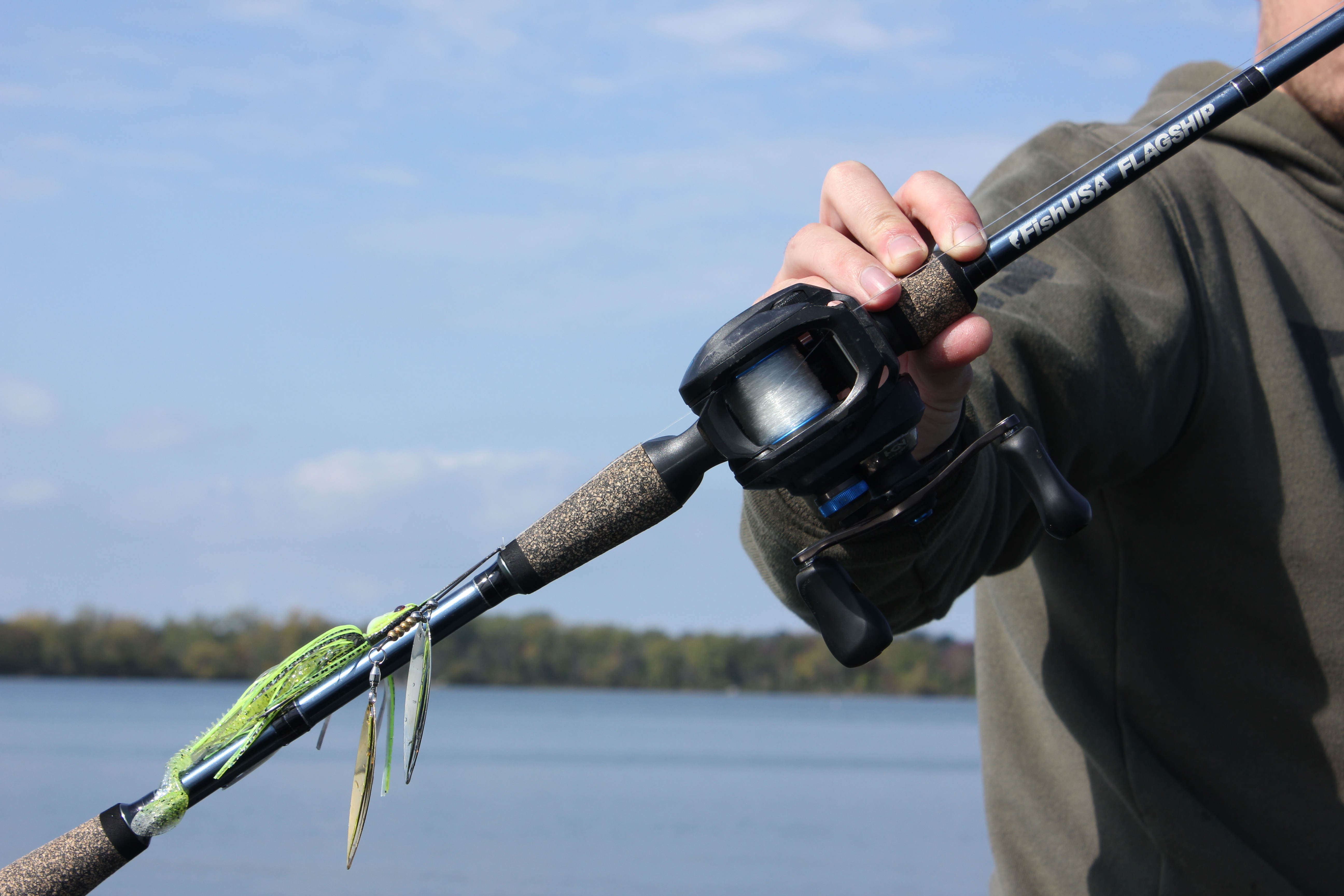
Knowing where to cast is only half the equation. How you fish the bank — your casting angles, retrieve pace, and positioning — makes a significant difference in how many bites you get.
Fan casting is the foundation of shore fishing. Stand at a point or along a section of bank and make a series of casts in a systematic arc — from hard left to hard right — before moving. This approach ensures you cover every angle of water in front of you instead of hammering the same spot repeatedly. Start with a fast-moving lure like a spinnerbait to locate active fish, then slow down with a soft plastic if you've found a productive zone.
One of the most effective and underused shore fishing techniques is casting parallel to the bank rather than straight out into open water. When bass are shallow, they position with their nose toward the bank. A parallel cast keeps your lure in the strike zone for the entire retrieve, passing in front of multiple fish instead of crossing through the zone in two seconds and ending in open water. Walk the bank and cast parallel to the shoreline, hugging the edge of any structure you see.
Skipping a lure under a dock or overhanging tree branches puts a soft plastic or jig in spots that most anglers can't reach. The technique requires practice — a sidearm cast with a slight skip angle — but the payoff is access to unworked bass that haven't seen a lure all season. Fluorocarbon line with a spinning setup is often the easiest way to learn skipping before moving to baitcasting gear.
When bass aren't actively feeding, the biggest adjustment you can make from shore is slowing down. Give every piece of cover time. Let a jig sit on the bottom for 3 to 5 seconds before moving it. Pause a soft plastic mid-fall. Drop your retrieve speed on a crankbait by half. Many bites from reluctant bass come during a pause — the moment of hesitation that triggers a reaction that a continuous retrieve never would.
Summer night fishing from shore is some of the most productive bass fishing of the year. Bass leave the heat of deeper water and move into shallow cover under darkness. Topwater lures, dark-colored swimbaits, and large spinnerbaits work well at night because they produce sound and vibration that bass can locate in low visibility. Focus on shallow points, dock lines, and the outer edges of weed beds. For tips on maximizing your after-dark success, see our guide to night fishing for bass.
Shore fishing is about carrying versatility in a compact package. You want gear that handles a range of presentations without loading you down with a tackle box the size of a suitcase.
For most shore fishing, a 7-foot medium-heavy casting rod with a baitcasting reel is the most versatile single setup you can carry. It handles jigs, soft plastics, crankbaits, and spinnerbaits across the board. If you favor spinning gear or lighter presentations, a 7-foot medium spinning rod with a 2500 to 3000 size reel covers finesse techniques and lighter lures. Bringing two rods — one casting and one spinning — covers the full range without over-committing to one approach.
Line choice from shore depends on your cover and presentation. Use 15 to 20 lb fluorocarbon for clear-water situations and lures that benefit from low visibility near the business end. Spool 30 to 50 lb braid for flipping and punching into heavy cover where stretch-free hooksets matter. A fluorocarbon leader of 8 to 12 lb on a light spinning setup handles finesse techniques in pressured water. The time of day and season will also factor into how aggressive or subtle your presentation needs to be.
Shore fishing efficiently means trimming your kit to what you'll actually use. A small shoulder bag or sling pack lets you carry a curated selection of soft plastics, a handful of jigs, a few crankbaits, a topwater, and a spinnerbait without overloading. Bring needle-nose pliers, line cutters, and a lip gripper for safe handling. Polarized sunglasses are essential for reading the water and spotting bass in shallow cover.
Whether you're targeting a local pond or fishing a larger lake from the bank, these shore fishing fundamentals apply. For smaller bodies of water, our guide to pond fishing for bass covers techniques specific to tight quarters and bank-only access.
Early morning and late evening are the most productive times to fish for bass from shore. During these low-light windows, bass push into the shallows to feed and are more likely to be within casting range. Summer midday heat pushes bass deeper and makes them less active, so target the first few hours after sunrise and the last hour before dark for the best shoreline action.
A 7-foot medium-heavy casting rod paired with a baitcasting reel handles the widest range of shore fishing situations — from flipping docks to working crankbaits along a point. If you prefer spinning gear, a 7-foot medium spinning rod with a 2500 to 3000 size reel is ideal for lighter soft plastic presentations. Bringing one of each covers almost every technique you'll want to use from the bank.
Absolutely. Trophy bass are caught from shore every season. Large bass hold tight to bank structure — riprap, docks, submerged timber — and those spots are fully accessible to bank anglers. Focus on areas where baitfish concentrate near the bank, especially near transitions from shallow to deeper water. Big bass often go undisturbed in tight shoreline cover that boat anglers cannot safely reach.
Line weight depends on your presentation and cover type. Use 15 to 20 lb fluorocarbon for clear-water fishing and techniques where line visibility matters. Step up to 30 to 50 lb braid for flipping into heavy cover or around docks where you need the strength to pull bass out quickly. Light finesse techniques like wacky rigs and drop shots work best on 8 to 12 lb fluorocarbon on a spinning setup.
Texas-rigged soft plastics and jigs are the most consistent producers from shore because they can be fished slowly through tight quarters without snagging. Topwater lures — frogs, poppers, and walking baits — excel during the morning and evening feeding windows. Spinnerbaits and crankbaits cover water quickly for locating active fish. A Texas-rigged worm and a spinnerbait will handle the majority of shore fishing situations.
Points that transition into deeper water are one of the most reliable features to target from shore. They funnel bass movement and create natural ambush positions. Docks provide shade and structure in any season. Riprap banks concentrate crawfish and baitfish that bass feed on. Weed edges and creek inlets are productive during the warmer months. Look for where depth changes close to the bank — that is where bass position.
Fishing for bass from shore is a highly effective and rewarding way to catch big fish. By targeting key shoreline structures, using the right lures, and applying effective fishing techniques, you can successfully catch largemouth and smallmouth bass without ever stepping foot on a boat. Whether you're fishing a local pond, lake, or river, these shore fishing tips will help you land more bass and enjoy the thrill of bass fishing from the bank.
Start by reading the shoreline — identify points, dock lines, weed edges, and cover transitions before you make your first cast. Match your lure to the conditions and the cover you're targeting, and adjust your pace based on how active the fish are. Shore fishing rewards patience, observation, and smart casting far more than it rewards casting distance or volume.
Hook Me Up!
Sign up for emails and texts to get exclusive updates and offers.
By providing your number above, you agree to receive recurring automated marketing text msgs (e.g. cart reminders) to the mobile number used at opt-in from FishUSA on 25043. Consent is not a condition of purchase. Msg frequency may vary. Msg & data rates may apply. Reply HELP for help and STOP to cancel. See Terms and Conditions & Privacy Policy