

The Best Rod, Reel & Line Setup for Urchin Baits
The Best Rod, Reel & Line Setup for Urchin Baits
Urchin-style soft baits demand a specific setup to get the most out of their action — the right rod power loads and snaps them correctly, the right line gives you the sensitivity to feel every twitch, and the right leader keeps your presentation invisible at the business end.
Last updated: August 2026 · By: FishUSA Staff
The setup at a glance
- Rod: FishUSA Flagship Elite Spinning Rod — 7’ Medium Fast (WWW)
- Reel: 3000-size spinning reel
- Mainline: Seaguar JDM PEX8 Lure Edition — 21lb
- Leader: Seaguar Tatsu Fluorocarbon — 20lb
- Hook: Treble hook sized to the bait
What Are Urchin Baits?
Urchin baits are Japanese-inspired soft plastics designed to mimic the look and movement of a sea urchin. Instead of a smooth body, they’re covered in short, flexible tentacles or spines that radiate outward from a central core. In the water, every twitch, snap, or pause causes those limbs to pulse and flutter — creating a living, breathing presentation that triggers reaction strikes from bass.
Originally popularized in Japanese tournament fishing, urchin and dice-style baits have steadily built a following among US bass anglers who fish pressured water. The key difference from traditional soft plastics is the action: urchin baits don’t need to be crawled or swam. A sharp snap of the rod causes the arms to flare outward and then collapse as the bait falls, generating a high-frequency pulse that’s hard for bass to ignore.
Because these baits rely on subtle, snap-driven action, the tackle you pair them with matters more than most anglers expect. The wrong rod action either kills the bait’s movement or makes it impossible to control.
Rod Setup
Power and Action
A medium power, fast action spinning rod is the right call for urchin baits. FishUSA pro staff angler Matt Becker reaches for the FishUSA Flagship Elite Spinning Rod in the 7’ Medium Fast (WWW) for exactly these reasons.
Medium power gives you enough backbone to deliver a crisp snap that activates the bait’s tentacles, but not so much stiffness that you overpower the presentation. Go too heavy and you lose the subtle, fluttering action that makes urchin baits effective — you’re essentially ripping the bait rather than pulsing it. A lighter rod, on the other hand, won’t load quickly enough to generate the sharp snap these baits need to perform.
Fast action keeps the tip responsive without sacrificing casting distance. Small to medium urchins are light baits, and a fast taper loads properly on the cast and snaps back cleanly on the retrieve — you get distance without losing the precision to work tight targets.
Length
Seven feet is the sweet spot. It’s long enough to generate the leverage needed for distance casts with lighter baits, while staying short enough for accurate work around docks, laydowns, and other tight cover where bass hold in summer.

Reel
A 3000-size spinning reel is the right match for this setup. It balances well on a 7-foot medium rod, handles 21lb braid comfortably, and has enough drag range and gear ratio for bass-specific applications — whether you’re working a bait with quick snaps in open water or pulling a fish away from cover.
Look for a reel with a smooth drag system and a solid bail mechanism. Urchin bait fishing involves a lot of controlled slack-line drops after each snap, so a reel that releases line smoothly without backlash on the bail pickup is an advantage. A mid-to-high gear ratio (6:1 range) is a practical choice — fast enough to take up slack quickly before the hookset, without being so high that it makes slow, deliberate retrieves harder to control.
Line & Leader
Mainline: Braid
Matt Becker runs Seaguar JDM PEX8 Lure Edition in 21lb as his mainline for urchin baits. PEX8 is an 8-carrier braid built specifically for lure fishing — it’s round, smooth-casting, and has exceptional sensitivity. Every subtle contact and every tap on the fall telegraphs straight to your hand.
Braid is essential here for two reasons. First, zero stretch means your snap translates directly into bait action — there’s no energy loss absorbing through the line before it reaches the bait. Second, the sensitivity lets you detect strikes on the fall, which is where a significant percentage of urchin bait bites happen.

Leader: Fluorocarbon
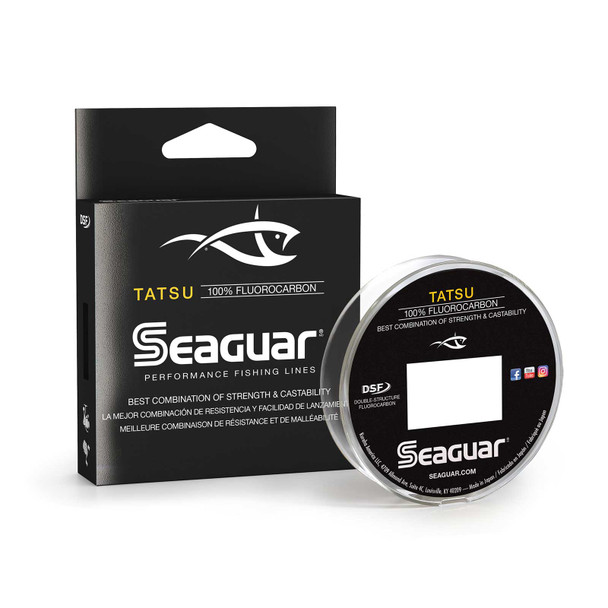
The braid is tied to a Seaguar Tatsu fluorocarbon leader in 20lb. Tatsu is one of the more supple fluorocarbon lines available, which matters for a bait that needs to move freely. A stiff leader can dampen the tentacle action right at the connection point; Tatsu stays pliable enough to let the bait work naturally while still giving you the abrasion resistance and near-invisibility that fluorocarbon is known for.
The 21/20lb pairing keeps both lines closely matched in strength, so the leader isn’t the weak link in the system. An 18 to 24 inch leader is the right range for full-sized urchin baits — long enough to keep the braid away from the bait and give you a low-visibility window around the hook, short enough that the snap transfers cleanly through the connection.
Leader tip: Leader weight matters more than length for urchin baits. Match the fluoro weight to the bait size — 10lb for small baits, 14–16lb for mid-sized, 20–22lb for full-sized. Becker’s 20lb Tatsu is the right call for the Yamamoto Uni and Uni Mas. Keep length in the 18–24 inch range to maintain sensitivity through the braid-to-leader connection.
Bait Options
Yamamoto Uni
The Yamamoto Uni is the benchmark urchin-style soft bait — a compact, densely-armed body that creates a tight, high-frequency pulse on each snap. Its smaller profile makes it an excellent choice for finesse situations, pressured fish, and clear water where a subtle presentation outperforms a bigger bait.

Yamamoto Uni Mas
The Yamamoto Uni Mas steps up in size with a larger body and extended limbs for maximum displacement and movement. When you want to call fish from a distance, trigger reaction bites in stained water, or simply fish a bigger profile in heavier cover, the Uni Mas delivers. The same snap-and-fall technique works, but the increased water resistance makes the tentacle action even more pronounced.

Hooks
Urchin baits are versatile enough to rig several ways depending on how you want to fish them. A treble hook weighted rig — where the bait is slid onto the hook shaft and a compact weight is clipped to the hook eye via a split ring (Jika-style) — is one of the most common approaches for snapping and dropping the bait around cover. The multiple treble points increase hookup percentage when fish nip at the tentacles rather than inhaling the full body. Other proven rigs include a Neko setup (hook through the center, nail weight in the opposite end), a drop shot, and a weighted swimbait-style hook for swimming the bait through the water column. Size your hook to the bait in every case — a hook that crowds the body kills the tentacle action on the fall.
Urchin Bait Setup FAQ
A medium power spinning rod with a fast action is the ideal choice. The medium power gives the bait the right amount of snap without overpowering it, while the fast action tip loads quickly for good casting distance with small to medium urchins. It also delivers enough backbone to drive the hook home on the strike. FishUSA pro staff angler Matt Becker’s pick is the FishUSA Flagship Elite 7’ Medium Fast (WWW).
A braided mainline paired with a fluorocarbon leader is the preferred setup. Braid gives you sensitivity and zero stretch so the snap translates directly into bait action, while the fluorocarbon leader provides low-visibility and abrasion resistance near the bait. Matt Becker uses 21lb Seaguar JDM PEX8 braid to a 20lb Seaguar Tatsu fluorocarbon leader.
A 3000-size spinning reel balances well on a 7-foot medium rod, handles the line class comfortably, and gives you enough drag range and gear ratio for bass fishing applications. Look for a smooth drag and a clean bail pickup since urchin bait fishing involves a lot of controlled slack-line drops after each snap.
Urchin baits work with multiple rigging methods. A weighted treble hook rig (bait slid onto the shaft, weight clipped to the hook eye) is one of the most popular for snapping around cover. Neko rigs, drop shots, and weighted hook rigs all work depending on the presentation you want. Match hook size to the bait in every case — a hook that crowds the body restricts the tentacle action on the fall.
Both are Japanese-style urchin soft baits from Gary Yamamoto, but they differ in profile and size. The Uni has a compact, densely-armed body that excels in finesse or clear-water situations. The Uni Mas features a larger profile with extended limbs for maximum underwater movement — the better choice when you want to call fish from a distance or fish stained water.
Sharp snapping rod twitches are the primary technique — each snap causes the tentacles to flare outward and then collapse, triggering reaction strikes. Follow each snap with slack line to let the bait flutter on the fall, which is often when fish commit. Vary the cadence between fast bursts and longer pauses to dial in what the fish want on a given day.