


/
/
Panfish can be easy — until they’re not. This guide covers the best panfish lure categories that actually catch fish in real conditions: micro jigs, soft plastics, inline spinners, tiny crankbaits, spoons, blades, and topwater, plus how to choose colors, sizes, and retrieves for bluegill, crappie, and perch.
Published: July 2026 · By: FishUSA Staff
If you’ve ever watched a school of bluegill peck at your bait like they’re “testing” it, or marked crappie on sonar only to get ghosted, you already know the problem: panfish can be easy — until they’re not. Below you’ll find proven panfish lure categories — micro jigs, soft plastics, inline spinners, tiny crankbaits, spoons and blades, and topwater — plus how to choose colors, sizes, and retrieves for bluegill, crappie, and perch.

At a Glance
| Lure Type | Best For | Typical Depth | When It Shines |
|---|---|---|---|
| Micro jig | All panfish | 0–25 ft | Any season, pressured fish |
| Soft plastic | Bluegill, crappie | 1–20 ft | Finesse days, slow bites |
| Inline spinner | Bluegill, perch | 1–8 ft | Wind, weeds, active fish |
| Tiny crankbait | Crappie, perch | 1–10 ft | Covering water, fall feeding |
| Spoon / blade bait | Perch, deep crappie | 10–40+ ft | Cold water, vertical bite |
Ask ten panfish anglers what they’d bring if they could only carry one lure type, and micro jigs usually win. A small jig can be swum, dangled, hopped, or fished vertically — meaning it matches almost any panfish mood and any depth.
When to Downsize
If bites feel like “nothing” — taps you can’t hook up on — downsizing is often the fix. Go to a smaller plastic profile, a lighter jighead, or a thinner-wire hook. A smaller bait that gets fully inhaled beats a bigger bait that gets nibbled.
Soft plastics are a powerhouse for finicky bluegill and dock crappie because they can be fished painfully slow — without losing action. On tough days when panfish are looking and not eating, this is where you win.
Short Strike Fix
If fish are short-striking — you feel the bite but can’t hook them — trim the plastic down by 1/4 inch. A slightly shorter bait often means the hook point is closer to where the fish is biting, and hookups improve immediately.

Micro grubs:
Pin tails / finesse stickbaits:
Micro creature / twin-tail:
Micro minnow / baitfish profiles:
Micro swimbaits / paddle tails:
Micro worms / larvae profiles:
Scented / live bait replacement:
Inline spinners are a “find fish fast” tool — especially in wind, stained water, or when panfish are cruising weed edges. They’re also beginner-friendly, which makes them a smart first recommendation for families and new anglers.
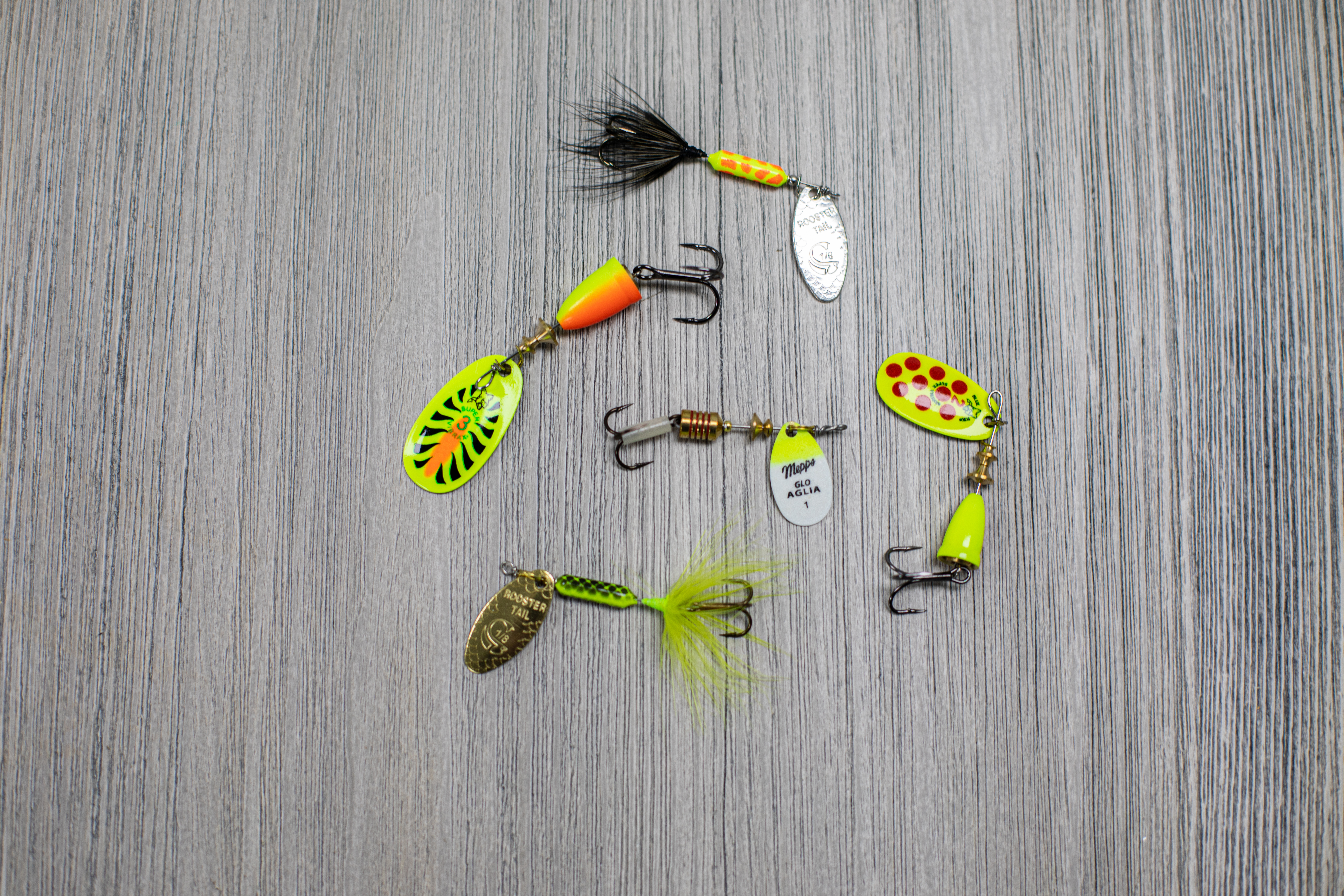
Start with a steady retrieve just fast enough to keep the blade turning. If fish follow but don’t commit, add a brief pause — many strikes happen right as the spinner starts rotating again after the pause.
Wind Is Your Friend
Inline spinners shine when other lures struggle. On windy days when a float rig is impossible to control and a jig sinks sideways, a small spinner fished on a steady retrieve stays in contact with fish and covers a lot of water fast.
Tiny crankbaits are underused for panfish, which is exactly why they can be so effective. When crappie or perch are feeding and moving, a small crankbait helps you locate active fish quickly — then you slow down with a jig once you find them.
Hook Swap Tip
Swap stock treble hooks for smaller, sharper replacements if you’re missing bites on short-striking fish. On waters where single hooks are required or preferred, a single inline hook on the front and a small treble on the rear gets you the best of both worlds.
When panfish slide deeper — especially in cold water — vertical presentations shine. Spoons and small blade baits flash and vibrate while staying in the strike zone. This is a staple approach for perch and for crappie that suspend near deep structure in fall and winter.
Tip a Spoon with Soft Plastic
Adding a small piece of soft plastic — a tiny curly tail, a piece of a worm, or a bite of Gulp! maggot — to the hook of your spoon adds scent and slows the fall slightly. On cold-water days when perch want the bait to hang, this small change can double your catch rate.
On calm summer mornings, panfish can get surprisingly aggressive on the surface. A tiny popper or micro prop bait can outproduce everything else when bluegill are guarding territory or chasing insects. It’s also one of the most entertaining ways to fish — big bluegill on topwater hit harder than you expect.
Downsize Your Topwater
Use lures 1–1.5 inches long for bluegill. Many bass poppers are simply too large for panfish to eat. Look for panfish-specific poppers and prop baits, or use a small foam spider / fly on a spinning rod when fish are directly beneath overhanging cover.
Shallow fish respond to micro jigs under floats and small soft plastics. Target warming bays, protected pockets, and bedding areas. Crappie stage near docks and brush before the spawn — a 1/32 oz jig with a small minnow-style plastic fished vertically is hard to beat.
Fish shift to weeds, shade, docks, and deeper edges as water warms. Use inline spinners and tiny crankbaits to cover water and locate active schools, then slow down with a jig when you find them. Early morning topwater is most productive in summer.
Panfish often feed up aggressively in fall before winter. Crappie may suspend more, making small jigs and micro crankbaits strong producers. Match the hatch — baitfish are abundant in fall, so minnow-profile soft plastics and swimbaits get consistent bites.
Cold water usually means smaller baits and a much slower cadence. Vertical presentations with micro jigs or small spoons consistently outperform faster retrieves. Work the bait slowly and pause longer than feels natural — cold panfish need time to commit.
If panfish are nibbling but not eating, go smaller and slower. If you’re seeing chasing behavior or feeding activity, you can size up slightly and cover water faster. Panfish size preference changes throughout the day — don’t commit to a size until you’ve tested two or three.
If you’re unsure, start natural and switch to contrast if bites are scarce after 20–30 minutes.
Ultralight lures fish best on light line. Most panfish anglers use 2–6 lb monofilament or fluorocarbon. Braid with a light fluorocarbon leader works well for sensitivity when vertical jigging. Heavy line kills the action on micro presentations and makes ultralight jigs fall unnaturally.
The One-Box Rule
You don’t need a hundred options. A compartment tray with a dozen micro jigs in three colors, three or four soft plastic packs, and a handful of spinners covers every panfish situation on any lake. Start there before expanding.
If you want the shortest path to consistent bites, start with micro jigs and soft plastics, then add an inline spinner for covering water and a tiny crankbait for reaction bites. Keep a small spoon or blade bait ready for deeper fish and cold-water days. That’s five categories, one small tray, and you’re prepared for any panfish situation on any body of water.
The best panfish lures aren’t about owning the most options — they’re about matching size, depth, and mood. Try the checklist above on your next trip, and you’ll spend less time guessing and more time catching.
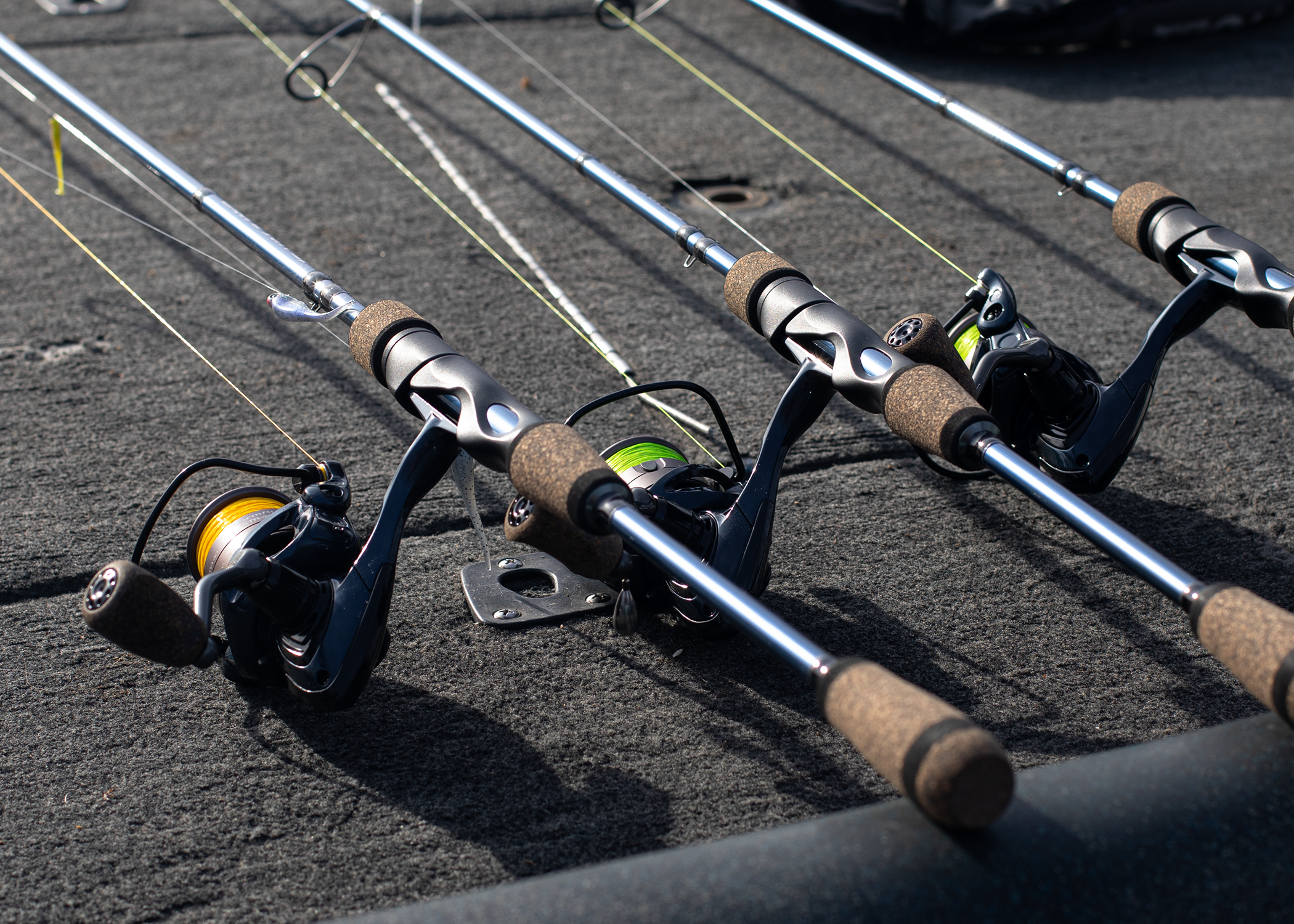
Micro jigs and small soft plastics under a float are top choices for pond bluegill because you can keep them in the strike zone without moving too fast. On windy days, a small inline spinner is a great search bait along weed edges.
In spring, crappie often relate to docks, brush, and warming areas. A 1/32–1/16 oz jig with a small plastic is a go-to because it can be fished vertically or cast and counted down to a precise depth.
For most conditions, 1/32 oz is the best all-around micro jig size. Go lighter (1/64 oz) for shallow fish or cold fronts, and heavier (1/16 oz) for deeper water, wind, or current.
Yes — especially when bluegill are cruising or when you need vibration to call fish in. Use small spinner sizes (#00–#1) and retrieve just fast enough to keep the blade spinning. Add a brief pause if fish are following but not committing.
Natural colors tend to excel in clear water and pressured fisheries. In stained water, brighter or higher-contrast colors get noticed sooner. If you’re unsure, start natural and switch to contrast if bites are scarce after 20–30 minutes.
Hook Me Up!
Sign up for emails and texts to get exclusive updates and offers.
By providing your number above, you agree to receive recurring automated marketing text msgs (e.g. cart reminders) to the mobile number used at opt-in from FishUSA on 25043. Consent is not a condition of purchase. Msg frequency may vary. Msg & data rates may apply. Reply HELP for help and STOP to cancel. See Terms and Conditions & Privacy Policy